





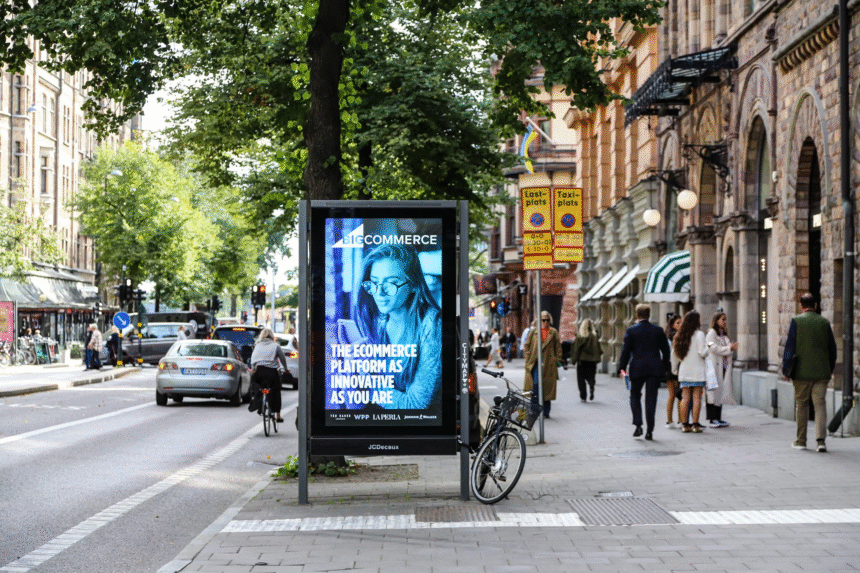

The advertising world is undergoing a major transformation. For decades, brands relied heavily on traditional advertising channels such as billboards, television commercials, newspaper ads, and radio promotions. These methods were once the most effective way to reach large audiences and shape consumer perception. However, in today’s digital-first world, consumer behavior has changed dramatically. People no longer trust advertisements the way they used to. Instead, they trust people. This shift has paved the way for influencer marketing, which is rapidly replacing traditional advertising as one of the most powerful tools for brand promotion.
Traditional advertising worked in an era where information was limited and media channels were controlled by a few large organizations. Brands could buy billboard space in busy locations or run television commercials during prime time and reach millions of viewers instantly. While this approach offered massive reach, it lacked personal connection. Audiences understood that these messages were created by companies trying to sell products, which often led to skepticism.
In contrast, influencer marketing operates on a completely different principle: trust and relatability. Influencers are individuals who have built loyal audiences on platforms such as Instagram, TikTok, YouTube, and other social media channels. Their followers see them as authentic personalities rather than faceless corporations. Because of this relationship, recommendations from influencers often feel more genuine than traditional advertisements.
One of the biggest reasons influencer marketing works so well is its ability to integrate naturally into everyday content. Instead of interrupting the viewer’s experience with a commercial, influencers incorporate products into their lifestyle content. A fitness influencer might demonstrate a new supplement during a workout routine, while a travel creator might showcase a hotel during a vlog. The product becomes part of a story rather than a standalone advertisement.
Another advantage of influencer partnerships is targeted audience reach. Traditional advertising casts a wide net, hoping to reach potential customers among millions of viewers. Influencer marketing, however, allows brands to connect with very specific communities. For example, a beauty brand can collaborate with makeup creators, while a tech company can partner with gadget reviewers. This precision ensures that promotional content reaches people who are already interested in that category.
Cost efficiency is also a key factor in the shift toward influencer marketing. Large billboard campaigns or television advertisements can cost millions of dollars. Influencer collaborations, especially with micro-influencers, often require much smaller budgets while delivering highly engaged audiences. In many cases, brands see stronger returns on investment because influencer content generates conversations, shares, and direct purchases.
Social media algorithms further amplify the impact of influencer marketing. When an influencer posts engaging content, platforms promote it to larger audiences through recommendations and shares. This organic distribution can dramatically expand the reach of a campaign without additional advertising costs. Traditional advertising rarely benefits from this kind of viral potential.
Another major difference lies in two-way communication. Traditional ads deliver one-sided messages where brands talk and audiences listen. Influencer marketing, however, encourages interaction. Followers can comment, ask questions, and share opinions, creating a conversation around the brand. This engagement builds deeper relationships and helps companies understand their customers better.
Despite its advantages, influencer marketing also requires careful strategy. Brands must choose partners who align with their values and audience. Authenticity remains the most critical factor; audiences can easily detect forced promotions. Successful influencer campaigns often involve long-term partnerships where influencers genuinely integrate products into their daily lives.
As digital culture continues to evolve, the role of influencers will likely grow even stronger. Consumers increasingly seek recommendations from people they trust rather than messages created by large corporations. While traditional advertising methods will not disappear entirely, their dominance is fading.
In the modern marketing landscape, attention is earned through connection, authenticity, and community. Influencers represent this new era of communication, where brands are no longer speaking to audiences from billboards above the street but engaging with them through the voices they already follow and trust.

