






Key Takeaways
- Molina and Williams had to get scrappy to finance their business in the early days.
- After a long road to launch and slow start, a viral moment led to millions of dollars in sales.
- Now, the sisters are continuing to grow their company and its community.
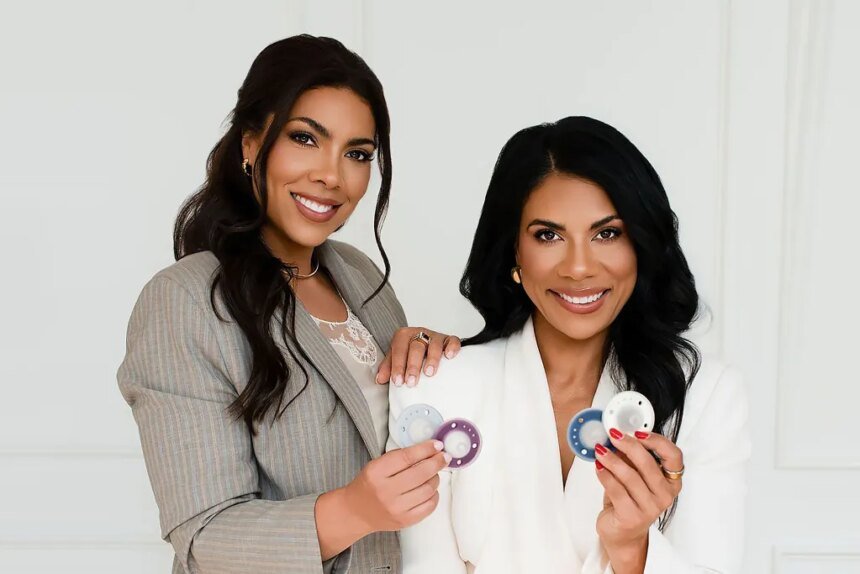
In 2013, St. Louis, Missouri-based sisters Jane Molina and Joy Williams were in a busy season of life, running their family’s long-time heating and cooling business and raising five young children between them.
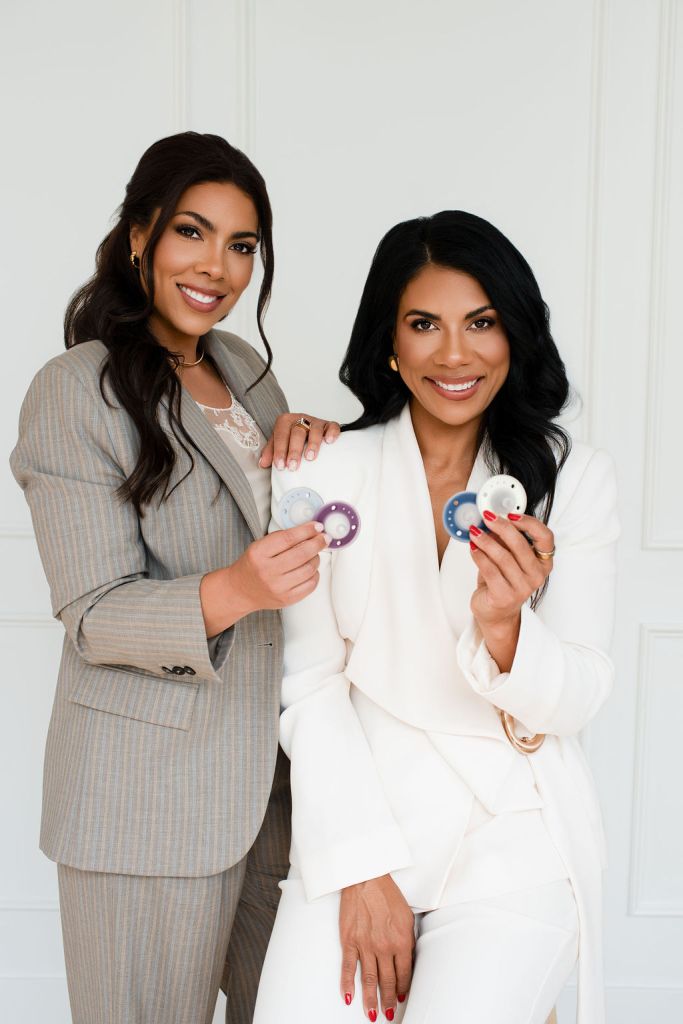
Despite having no shortage of to-dos on her list, as Molina breastfed her third son, a new project took shape. She noticed that sometimes he would latch not for milk, but for comfort, and searched for a pacifier that could fulfill that need and give her back some time.
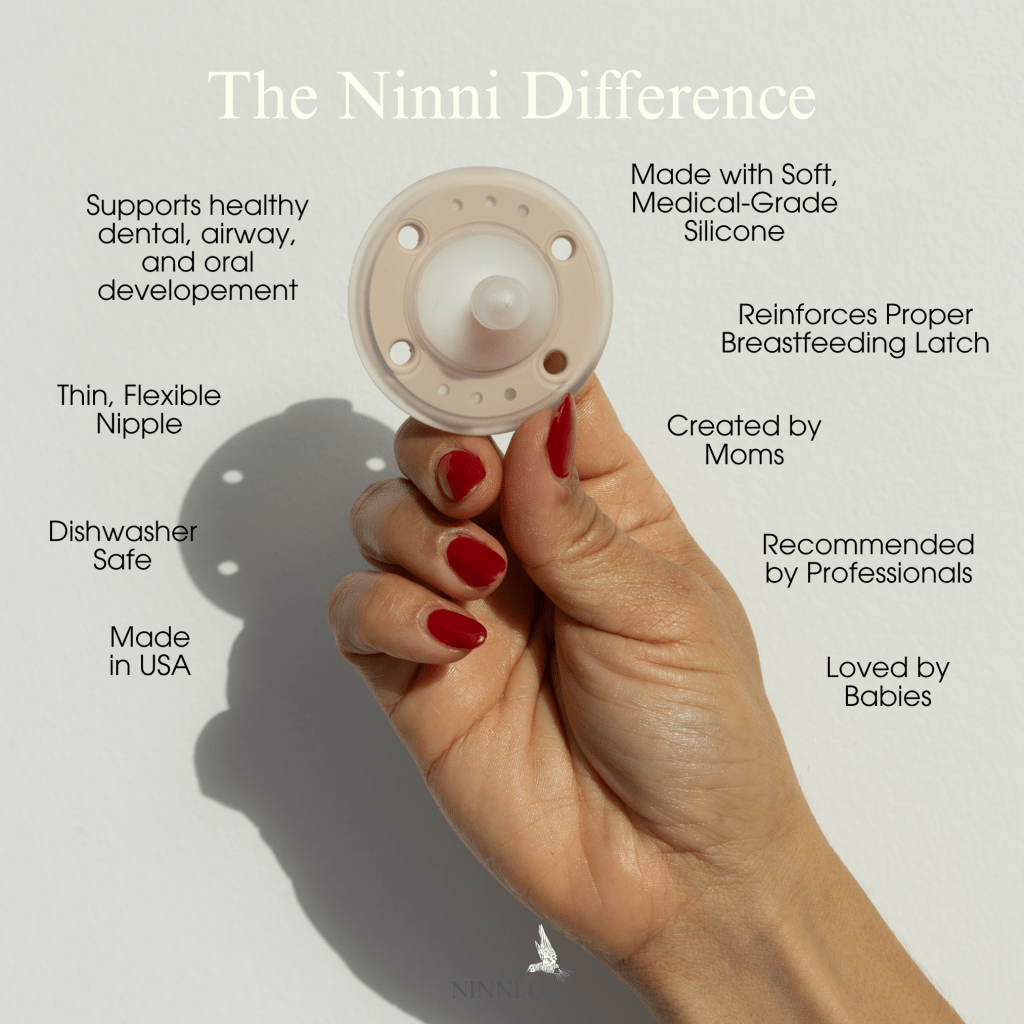
But she couldn’t find a product that mimicked real breast tissue and encouraged a wide latch, rather than the typical tight, pursed one. What if she created it herself?
Molina voiced her idea to Williams, whose marketing background would be a serious asset. At first, Williams questioned the practicality of starting another business. The family HVAC company continued to struggle in the wake of the 2008 financial crisis; it was tough to cover all of the bills.
“ We basically were walking around with holes in our shoes, eating bologna sandwiches and drinking Coca-Cola, paying payroll and then having $150 in our bank account at the end of a week,” Williams says.
Starting a new business to soothe babies: Ninni Co.
However, Molina felt called to bring the ultra-soft silicone pacifier to life, and before long, Williams was on board. Their pacifier brand Ninni Co., named to honor their grandmother, who breastfed 10 children and referred to the act as “the ninni,” was born.
But it would be a long road before the product hit the market.
For about seven years, the sisters worked on Ninni Co. on the side, drawing on financial support from family, including their mother. They tapped into their retirement funds and personal savings to develop a prototype, which cost less than $1,000, and work with an attorney to secure a patent.
Selling the HVAC business to fund Ninni Co.
By 2019, Molina and Williams were ready to go all-in; they decided to sell the HVAC company and open up additional funds for Ninni Co.
The sisters sold the business for $500,000, to be paid in three installments, and owed $120,000 to vendors. “ People hear, ‘Oh, you sold a business and used that money,’ but it’s not all glitz and glamour or some exorbitant amount,” Williams notes.
Next, the co-founders joined incubator programs, including BioSTL and the CET’s (Center for Emerging Technologies) flagship program for entrepreneurs, Square One, and received $10,000 through the Level Next program. They used the money for consumer testing the prototype and secured a manufacturer, the same one they use today, in upstate New York.
Then the sisters were told it would cost $50,000 to $75,000 to create their product mold. The co-founders needed more cash.
Meeting for coffee leads to a much-needed loan
Fortunately, a chance encounter at a networking event with a man who worked at Carrollton Bank helped them secure it.
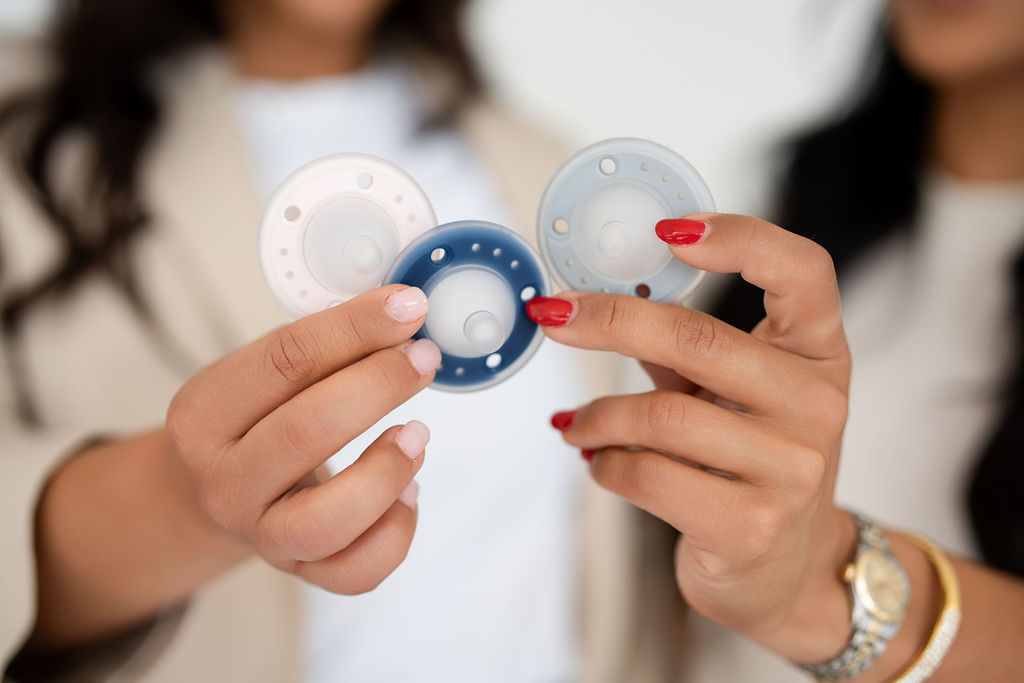
“I used to carry the prototype in a little box, something I got from Marshalls or Ross,” Molina says. She presented that box to the man over coffee, and he immediately understood the product — because his wife was currently breastfeeding.
He agreed to structure a loan, and the journey to market continued.
Pre-launch, the sisters also received a $70,000 angel investment for a 20% stake in the company from two older men in their church. “ It was a large chunk that we unloaded right at the beginning,” Molina says, “but of course we were valued at zero. So where Joy and I were at, $70,000 might as well have been $250,000.”
Launching the product on Shopify in 2021
By March 2021, the sisters couldn’t wait to test the waters any longer; they launched with a modest supply. They went live on Shopify and priced the pacifiers at $12.99. They didn’t have professional photography, so they used stock images and spread the word on social media.
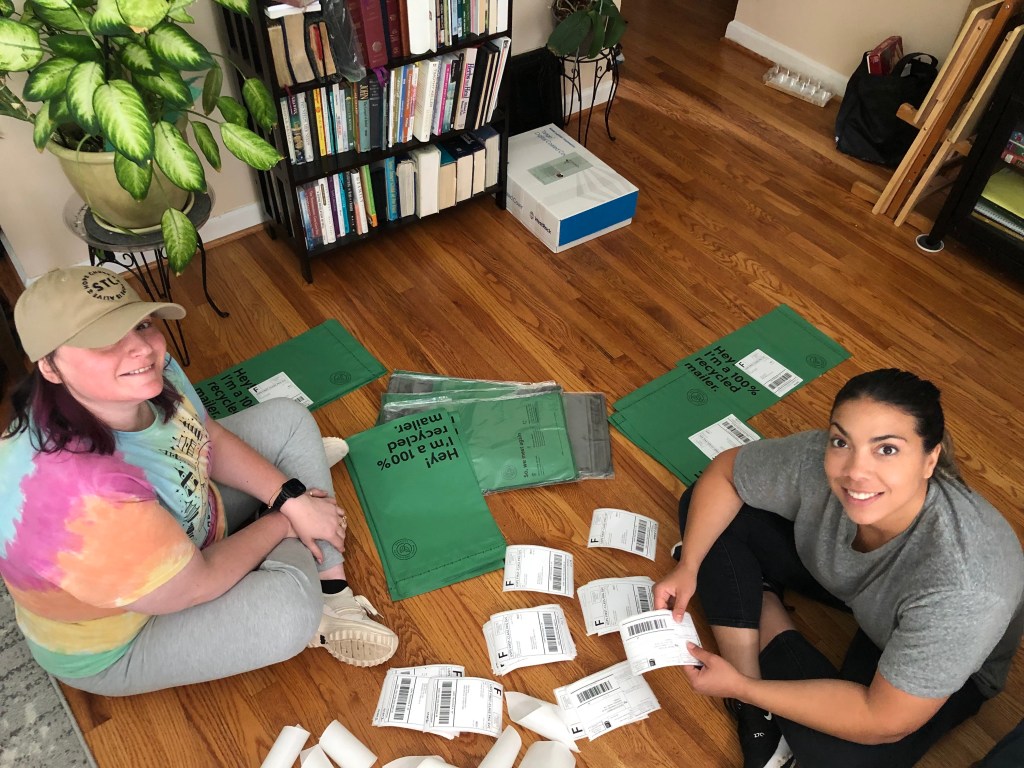
On day one, they sold about 100 pacifiers, thanks to support from family and friends, but the number dwindled, sometimes to zero sales in a day. Molina and Williams fulfilled orders in their mother’s basement for about six months, with her help.
Then, in April 2021, a viral TikTok video changed everything.
A friend of Williams’ who happened to be an influencer loved using the product for her son, so she created an Instagram reel about it. Then Williams reposted the same video to TikTok.
Since the beginning, the sisters had turned on Shopify alerts on their phones, the “dings” tracking each sale in real time — and that night, they wouldn’t stop going off.
The next morning, the sisters realized Ninni Co. had gone viral, but they only had about 35 pacifiers in stock, with an additional 250 ready at the factory.
Williams put on her marketing hat and leaned into the demand, posting on Instagram and Facebook about upcoming drops and colors. The strategy lent the brand an exclusivity — and it paid off in a major way.
Going viral brings a serious revenue boost
In 2023, Ninni Co. saw about $2.2 million in annual revenue. The following year, revenue hit $2.9 million, then $5.3 million in 2025, up 83% year over year.
In 2026, Ninni Co. is on track to reach $6.5 million in revenue. The brand sells more than 1,000 pacifiers every day.
Within four years, Molina and Williams bought back 95% of the company from their angel investors. Currently, the co-founders have eight employees and still manage the company’s fulfillment themselves.

Learning a lesson through Amazon selling
What’s more, the sisters haven’t lost sight of Ninni Co.’s original mission.
As a U.S.-manufactured brand with sourcing focused in the U.S. and Sweden, profit margins are slimmer than on products made in some places overseas, and they’ve had to be selective with their distribution channels.
For example, Ninni Co. stopped selling on Amazon after four months because “it was one of the most stressful, hardest times of our company,” Molina says.
The platform diverted substantial traffic from the company’s website, and Amazon held money from the sales for two to three weeks, then took up to 50% in the end. Additionally, Ninni Co. had invested in a team to manage the channel.
“ It wasn’t right for our business model,” Williams adds. “Not every platform is made for every single business or product. Everyone is unique, and you have to honor that.”

Other advantages come with being the customer’s primary contact too, the co-founders note.
Not only do the sisters get a firsthand look at valuable feedback, but they’ve also built strong communities on Instagram and Facebook — and it’s part of why it’s been so easy to say “no” to the many people who have expressed an interest in buying them out over the years.
“We wanted to build this business as the two moms behind the dream,” Williams says. “We really feel like we’re living the American dream, and we love what we do every day.”
Key Takeaways
- Molina and Williams had to get scrappy to finance their business in the early days.
- After a long road to launch and slow start, a viral moment led to millions of dollars in sales.
- Now, the sisters are continuing to grow their company and its community.
In 2013, St. Louis, Missouri-based sisters Jane Molina and Joy Williams were in a busy season of life, running their family’s long-time heating and cooling business and raising five young children between them.
Despite having no shortage of to-dos on her list, as Molina breastfed her third son, a new project took shape. She noticed that sometimes he would latch not for milk, but for comfort, and searched for a pacifier that could fulfill that need and give her back some time.
But she couldn’t find a product that mimicked real breast tissue and encouraged a wide latch, rather than the typical tight, pursed one. What if she created it herself?

