







Opinions expressed by Entrepreneur contributors are their own.
Key Takeaways
- You’re never really selling a product or a service. You’re selling a feeling.
- When people consistently associate you with value, opportunities begin to compound.
- Communicate a vision that others want to join.
People often assume that success in one industry doesn’t translate to another. I’ve spent my career proving the opposite.
I’ve built businesses in music, entertainment, gaming, media and technology. I’ve worked as a DJ, producer, entrepreneur, executive, founder and investor. Along the way, I’ve helped build companies, raised tens of millions of dollars, worked with some of the world’s biggest brands and celebrities. In the process, I helped grow organizations that reached valuations in the hundreds of millions, including one that went public in a billion-plus IPO.
Yet every time I entered a new industry, I heard the same thing: “Wait… aren’t you a DJ?”
The assumption was that expertise only counts if it comes from a traditional business background. What I’ve learned is that industry knowledge matters far less than most people think. Every time I’ve entered a new space, there were people who knew more than I did about the product, the technology or the terminology.
What consistently created opportunities wasn’t knowing everything. It was mastering these three skills that work everywhere.
1. Understand people better than they understand themselves
I’ve never been focused on being the smartest person in the room. I’ve been more focused on understanding the people in it. If your goal is to lead, sell, recruit, negotiate or build relationships, understanding human behavior becomes a competitive advantage.
The truth is, you’re never really selling a product or a service. You’re selling a feeling.
When you understand what people feel, want to feel, and what they don’t want to feel, you’ll understand how to sell anything to anyone. Some of the biggest breakthroughs in my career didn’t come from having the best product. They came from understanding people.
As a DJ, I spent years learning how to read rooms, hold attention, influence emotion, tell stories, create anticipation and move audiences. Those same skills later became fundraising, recruiting, sales, partnership, leadership and marketing skills.
I learned this lesson firsthand while working as a host for E! News. One day, the chairman invited me into his office and asked what I thought about the network. I shared where I believed the company was leaving money on the table, markets it was overlooking, people it ignored, and opportunities for new partnerships.
He looked at me and said, “How do you know all this stuff?”
My answer was simple: “The streets, Ted. The streets.”
I suggested that we create our own destination in Las Vegas rather than chasing celebrities around Hollywood. That idea led to a seven-figure partnership with the Hard Rock Hotel, weekly events that lasted three years, and E! News expanding its presence and production footprint in Las Vegas.
The opportunity wasn’t created by industry expertise. It was created by understanding people.
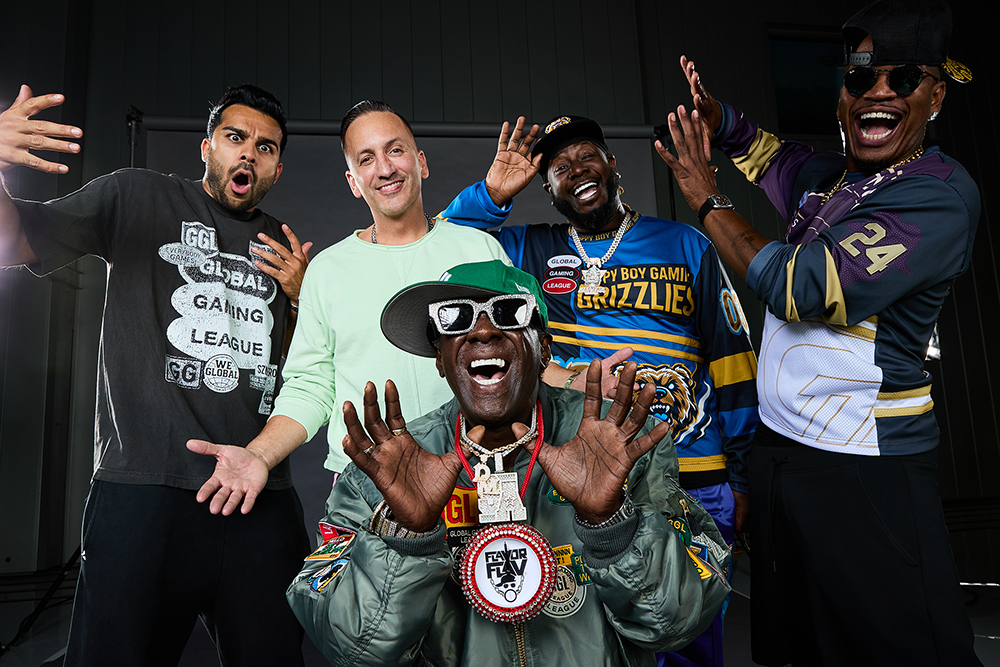
Image Credit: Courtesy of Clinton Sparks
2. Create value before asking for anything
One of the biggest misconceptions about networking is that successful people simply have access to better relationships. In my experience, successful people understand how relationships are built.
Throughout my career, I’ve worked with global brands, celebrity talent, founders, executives and investors. Very few of those relationships began because I asked for something.
Most started because I first found a way to be useful. Too many entrepreneurs focus on what they need. The most effective people focus on what they can contribute. When people consistently associate you with value, opportunities begin to compound. Trust develops faster. Partnerships become easier. Introductions happen naturally.
One of the best examples from my career came through an unexpected opportunity involving Lady Gaga. A friend of mine was offered the chance to become her DJ, and that opportunity quickly evolved into a request to help produce music for her next project.
There was just one problem. At the time, my friend wasn’t actually a producer.
Because of the years spent creating value and building trust, he called us. We stepped in and helped produce the music.
The result? He won. We won. Lady Gaga won.
That collaboration ultimately contributed to a Grammy nomination and reinforced a lesson I’ve carried throughout my career: People invest in people who improve outcomes. The faster you become one of those people, the faster your network — and your opportunities — grow.
3. Communicate a vision that others want to join
I’ve seen founders with incredible products struggle because they couldn’t clearly explain why anyone should care. I’ve also seen founders with imperfect products attract investors, employees, customers and partners because they communicated a compelling vision.
Communication is one of the most valuable business skills in existence.
Whether you’re raising capital, recruiting talent, closing partnerships, building a brand or leading a team, you’re asking people to believe in something that doesn’t fully exist yet.
That’s leadership. And leadership is largely communication.
One reason people were surprised to learn about my entrepreneurship prowess was that they viewed me as “just a DJ” and didn’t recognize the correlation with leadership.
What they didn’t realize is that standing in front of thousands of people every night teaches you how to hold attention, build trust, influence emotion and create belief.
Those same skills became invaluable in boardrooms, investor meetings and startup launches.
A few years ago, I was invited to a party in Utah where I met John Garcia from Solyco Capital. He asked about my newest venture, the Global Gaming League. As I explained the vision, we became so engaged that at one point the entire party went outside to watch Ludacris perform. Neither of us even noticed.
That conversation eventually led Solyco Capital to become my company’s lead investor. The lesson wasn’t that I had the perfect pitch deck. The lesson was that people buy into clarity.
The ability to articulate a vision is often the difference between an idea that remains an idea and a company that gets built.

Image Credit: Courtesy of Clinton Sparks
The skills travel further than the industry
Looking back, my greatest advantage wasn’t expertise in music, gaming, media or technology. It was recognizing that the skills underneath those industries were transferable.
Most entrepreneurs and investors underestimate what they already know because they’re too focused on what they don’t know. But the skills that create lasting success — understanding people, creating value, and communicating vision — travel remarkably well.
Products change. Industries change. Technology changes.
People don’t.
Key Takeaways
- You’re never really selling a product or a service. You’re selling a feeling.
- When people consistently associate you with value, opportunities begin to compound.
- Communicate a vision that others want to join.
People often assume that success in one industry doesn’t translate to another. I’ve spent my career proving the opposite.
I’ve built businesses in music, entertainment, gaming, media and technology. I’ve worked as a DJ, producer, entrepreneur, executive, founder and investor. Along the way, I’ve helped build companies, raised tens of millions of dollars, worked with some of the world’s biggest brands and celebrities. In the process, I helped grow organizations that reached valuations in the hundreds of millions, including one that went public in a billion-plus IPO.
Yet every time I entered a new industry, I heard the same thing: “Wait… aren’t you a DJ?”

