





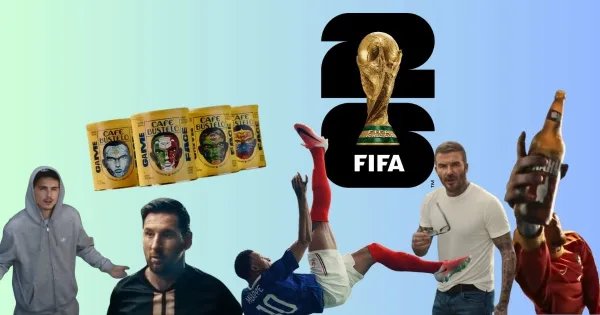

Many brands leaned into similar messages of communal joy, tension, the sheer love of “footie.” But hiding in plain sight, the tournament was telling a sharper story that no brand tapped into: the underdog against Goliath, the comeback from behind, the will to win that defines a champion.
Cabo Verde, a nation of 500,000 ranked 67th, held Spain scoreless and took Messi’s Argentina to extra time before falling 3-2; Spain and Argentina overcame all odds to win against France and England, respectively; and Spain ultimately beat out defending champs Argentina for the World Cup Championship title. This is what the internet talked about.
Brands like Nike missed the opportunity to tap into that conversation. Its “Rip the Script” platform was expansive enough to embrace all the content it developed, but failed to celebrate what the world was discussing as it happened. That dynamism would have given Nike’s campaign even greater relevance.
Lesson No. 2: Find the story not being told. Create a platform that has the flexibility to pivot from pre-produced content to on-the-field surprises so you can stay relevant throughout the tournament and after.

3. Audit your talent
Another familiar playbook this year was using celebrities to make the game accessible to a new audience, honoring both the familiar legends and the new guard.
That’s exactly where things went wrong. Suddenly, everyone was casting the same eight celebs. Beckham appeared in ads for more than ten sponsors. Messi showed up in almost 25% of tournament spots. It became hard to know which brand featured which player.
YouGov found roughly 40% of U.S. World Cup followers noticed sponsors, but noticing and attributing are different. Shared casting erodes brand recognition massively.
Lesson No. 3: Brands avoid getting lost in a sea of celeb-sameness by ensuring their category conflict clauses extend to adjacent categories and by standing up social listening tools that track share of voice by talent.
4. Make the brand central to the story
The best work made the product and brand inseparable from the event itself.

