





Retail media used to mean sponsored products on a search results page. In 2026, it means controlling the first few inches of the home screen.
In 2026, the natural replacement window for smart TVs is here, and the upcoming World Cup is giving households a cultural excuse to upgrade the biggest screen in the house.
When Walmart acquired Vizio, the retailer bought an operating system with access to the American living room. Walmart already controls roughly a third of TV sales in the U.S. Now, imagine those TVs are sold at near-cost, and preloaded with an operating system that connects content discovery, ads, payments, and commerce—all before you’ve even chosen what to watch.
The World Cup meets retail
The 2026 World Cup will accelerate retail media’s shift to TV advertising.
For the first time at global scale, the second screen (your phone) and the first screen (your TV) can be synced through an operating system. The TV knows your logins, your payment credentials, what apps you use, and what you buy.
Retail media began as sponsored products within search results at the bottom of the funnel and has since expanded to other formats like offsite and social ads. Smart TVs change this by opening up new branding opportunities. When the hardware, the ad inventory, and the transaction layer are connected, retailers gain scale, data, and measurement showing that ads drive sales.
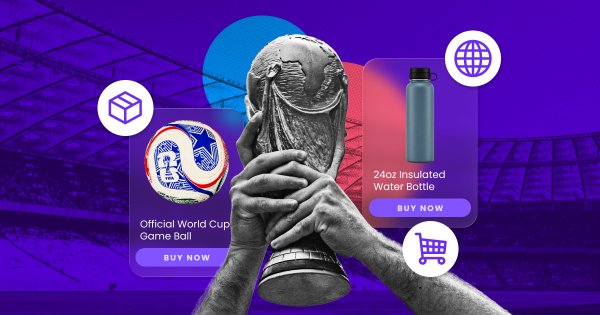
Imagine watching a soccer match where the operating system recognizes your favorite player. During halftime, instead of a generic ad, you see a one-click purchase for that player’s jersey charged to the credit card already stored in your system.
Retailers like Amazon and Walmart aren’t just selling ads inside apps anymore. They’re extending their commerce infrastructure into TV hardware, capturing discovery, intent, and transaction in one environment.
Tinuiti participated in Walmart’s Vizio CTV beta in the second half of 2025, running campaigns for several national CPG brands. Those campaigns weren’t bought against “sports” or “entertainment” content—they were audience-based, targeting category purchasers and past buyers across Vizio inventory. The value isn’t just premium content, it’s the ability to layer retailer purchase data onto TV exposure.
The World Cup simply amplifies the scale of that opportunity. As more devices come online, brands can reach verified shoppers in a living-room environment and connect exposure to downstream retail outcomes.


