





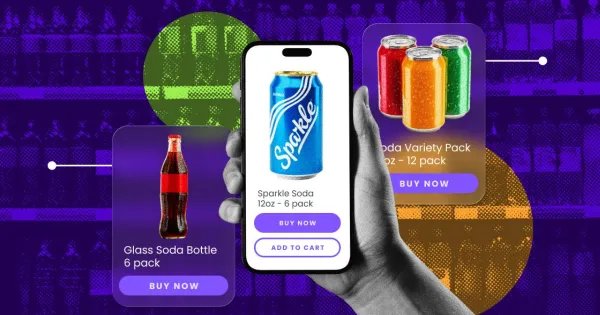

It used to be easy to categorize retail budgets into neat buckets: Shopper marketing lived in the store with end caps, shelf talkers, tear-pad coupons, and demos, while retail media lived online with sponsored products, display, and paid social ads.
But while the aisle may look the same today, it behaves very differently. Store fixtures haven’t changed, but the intelligence powering them has. In-store assets like promotions, signage, displays, and seasonal call outs are now powering a layer of data that didn’t exist before.
Because of this, in-store promotions are now tied to customer loyalty and purchase frequency. Assortments flex by region, store, and even neighborhood based on local shopping habits. And mobile apps push personalized offers as shoppers enter a store.
We’re moving into an era of omnichannel retail where the “point of purchase” is no longer a physical destination, but a continuous state.
From the shopper’s perspective, it’s a similar experience, but better. How tired are you of getting coupons for things you’d never buy? Good news: the aisle is no longer static. It’s responsive and presents you with things you actually want or need.
But for brands, this new layer of data we can now glean from in-store placements, retail media, and store experiences begin to fuel one another, reshaping retail media investment strategies.
From paper to precision
Traditional shopper marketing was a blunt instrument — and it worked, because it met the shopper at the point of decision. But everyone saw the same offer. Every store ran the same playbook. Planning cycles were long and changes were slow. Viral moments passed the industry by.
While some of those same tactics still exist, they’re now informed by data. That enables speed to market, online assortment, and shipping and delivery to bridge the gap until inventory gets updated in stores.
Data from these transactions can help retailers identify the products, categories, or even flavors with growing demand and potential for virality as they are rising. The difference isn’t the tactic. It’s the precision in which we can meet the moment.


