




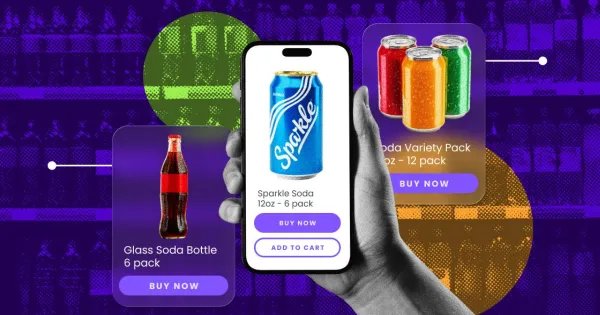

Retailer apps are the “warp-speed button” for this shift, bridging the gap between digital planning and physical shopping. They guide store navigation and deliver real-time, personalized offers. They allow shoppers to pivot on fulfillment, check inventory, or complete a purchase outside the aisle entirely.
Earlier versions of retailer apps used to be terrible in functionality and rife with wifi failures and inaccurate data. But many have significantly improved, especially Target and Walmart’s “in-store modes.”
For marketers, this means the “point of purchase” doesn’t start in the store anymore; it begins earlier with media exposure and continues across every touchpoint, including at the aisle.
The online to offline connection
A brand launches a product and uses retail media to drive awareness with sponsored search, display, and offsite targeting using retailer data. That demand doesn’t stay online, especially if social gets involved.
If the product performs, it strengthens the brand’s position with the retailer, supporting the physical shelf placement and influencing future assortment decisions. It may even impact how that product is featured in-store on endcaps, displays, or with promotional support.
At the same time, the in-store experience reinforces the brand’s digital presence. A shopper might receive a mobile app notification for the product they are looking for as they walk into a store. They might see it featured on an end cap, find an in-app coupon waiting for them, or buy the out-of-stock variation online or at another location.
It looks like a coordinated campaign. In reality, it’s the result of bringing together two systems that used to operate separately.
What marketers need to rethink
The biggest risk for marketers is continuing to think silos. Treating retail media and shopper marketing as separate planning workstreams with different teams, timelines, KPIs and bonus structures will break down in a world where digital demand influences physical shelf space, in-store performance feeds back into media strategy, and geo and assortment decisions shape campaign outcomes.

Media planning needs to reflect that reality. That means aligning around shared inputs like geo-level data, purchase behavior, inventory, and retailer priorities — not just sharing media budgets or promotional calendars when you remember to.
It also means thinking beyond moments like tentpole events, seasonal pushes, promotional weeks, and store resets. Those still matter, but now they sit inside a system where signals are continuously flowing.

