

This story was originally published in On Background with Mark Stenberg, a free, weekly newsletter that explores the key themes shaping the media industry. You can sign up for it here.
Late last year, Netflix signed a deal to bring more than a dozen popular podcasts to its platform on one condition: They had to stop distributing their shows on YouTube.
At South by Southwest, when I asked a handful of media executives if they would have agreed to such a stipulation, they all had the same two-part answer. First, “no.” And second, “I wonder how YouTube is going to respond.”
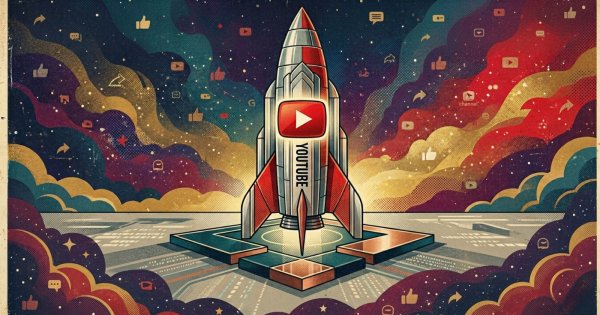
Their curiosity was understandable. Since its launch two decades ago, YouTube has developed a reputation as perhaps the single most powerful incubator for creators on the planet. The combination of its powerful algorithm, intuitive monetization, and universally accessible price point has helped launch the careers of everyone from Justin Bieber to Marques Brownlee.
But like all incubators, it has a retention problem. In many instances, creators see the platform as something they graduate from, a farm league for streaming platforms, Hollywood studios, and record labels to scout and periodically pilfer.
Until recently, YouTube has largely met this indignity with a shrug. In some ways, its lack of response was only a further testament to its dominance, so confident was the platform that a new crop of superstars would simply emerge in due time to replace the recently poached.
But the streaming landscape has lately begun yet another paradigm shift. The transformation of podcasts into television shows has placed YouTube into direct competition with traditional streaming platforms, and the recasting of creators into founders has reshaped the platform into a hothouse for media startups.
As the boundaries between YouTube, Spotify, Netflix, and Disney further blur into oblivion, YouTube no longer has the luxury of staying neutral.

