




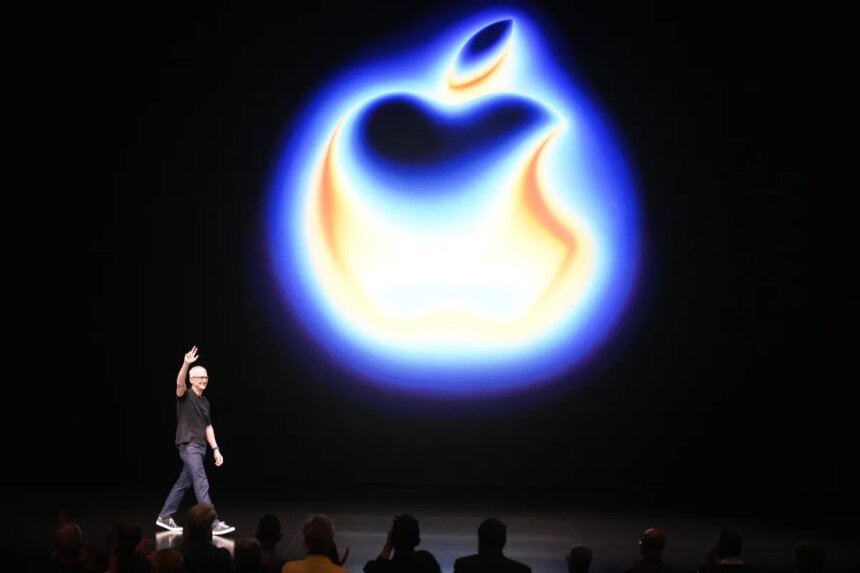

It’s been called RAMageddon: AI’s insatiable demand for hardware has caused a worldwide shortage of memory chips. Now outgoing Apple CEO Tim Cook is warning its customers that your next Mac, iPhone, or iPad could be more expensive thanks to surging memory and storage chips costs.
In a recent interview, Cook told the WSJ that price increases are “unavoidable,” in spite of efforts to absorb chip costs that have increased fourfold since last year. He described the situation as “unsustainable.”
Cook didn’t name which products will be affected or when prices will rise, but he’s raised the alarm about the impacts of RAMageddon before. In April, after delivering record quarterly sales, he said that these higher costs could impact Apple’s next business results. Incoming CEO John Ternus also warned about the issue that same month.
If Apple raises prices, the iPhone seems almost certain to be impacted, memory supply experts told the Financial Times. The company is expected to launch its next iPhone in September, which gives it the opportunity to announce increased prices. Of course, Apple sells many other devices that contain memory (DRAM) and storage (NAND) chips, including the Apple Watch, Mac, iPad, and Apple Vision Pro.
It’s not clear how much more expensive any of these products will be, although research firm TechInsights gave the WSJ its estimate. It said Apple would need to add another $270 to the next iPhone Pro to keep its profit margin intact. The iPhone 17 Pro starts at $1,099.
So far AI has not been a particular boon to Apple. The company is already under pressure to figure out its AI strategy for its devices. It even paid a $250 million settlement earlier this year to end a false advertising lawsuit filed after it failed to deliver the AI features it promised two years ago.
The company’s Worldwide Developers conference held earlier this month showed progress on fulfilling those previous AI promises, including an overhaul of Siri. Of course, more on-device processing could mean more need for memory — a trajectory that seems destined to end with consumers paying more for Apple products.
When you purchase through links in our articles, we may earn a small commission. This doesn’t affect our editorial independence.

