






This post was created in partnership with Ammunition
How team members define growth ultimately shapes their business strategy, which is why it’s so important for everyone to be on the same page.
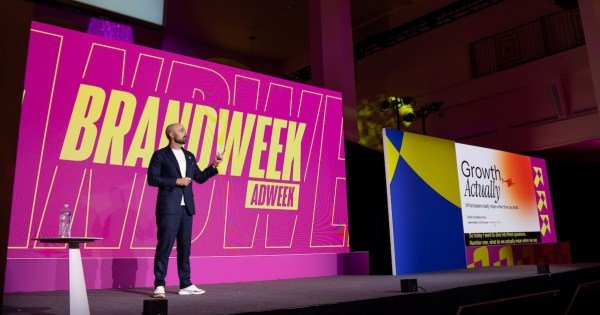
During a Brandweek 2026 session co-hosted with Ammunition, Jeremy Heilpern, CEO and founder of Ammunition, made the case that marketers should come to a consensus on growth and consider its importance for both short-term success and long-term sustainability.
Dissecting the meaning of growth
Ammunition’s mantra “Growth. No matter what.” is more than just a tagline to Heilpern. It’s a promise to his clients. “And if we’re going to make a promise that big, we’d better be pretty clear about what growth actually means and how we actually go about executing it.”
Defining growth was the discussion’s main theme, with Heilpern pointing out that it’s easier said than done. For some, growth may refer to generating revenue. Others might say it’s higher profit. For marketers, it might relate to attracting more customers.
“The truth of the matter is the answer changes by company, role, and industry. It changes sometimes just based on what’s happening in the economy,” said Heilpern.
One thing to know about growth, however, is that a bigger number doesn’t necessarily mean a stronger business. “Revenue can rise while margins fall. Customer numbers can grow while retention rates weaken. And sales can increase today while demand tomorrow disappears,” explained Heilpern.
He suggested thinking about growth more broadly and shared some of the prompts he uses when taking Ammunition clients through this exercise. “Is the organization actually creating more value? Is it retaining that value? And is it building the capacity to keep fighting another day?” In other words, rather than numbers, think of growth as a measurement of the business’ ability to scale, its quality, and its durability.
Prioritizing today and tomorrow
Sustained growth over time is challenging, Heilpern admitted—especially when quarterly reports and sales quotas cause people to fixate on short-term goals.
“For CMOs, I think that tension is one we live with every day,” Heilpern said. “How do you capture the demand that exists right now while ensuring that you’re building an organization that is healthy and able to seize the opportunities tomorrow?”

