





I see something different.
I believe we witnessed an executive who showed up, trying to be genuine, who expressed his version of enthusiasm for a product he clearly believes in. Authenticity wasn’t the problem.
The problem, for marketers, is that it’s unpredictable how people will react to authenticity.
In a globally connected world, you don’t get to choose which three seconds, or whose take on it, will become the lens through which millions of people interpret your brand.
Every brand on the planet has moments like these. Executives misspeak. Products get mocked. Campaigns land differently than planned. The real story isn’t what Kempczinski did or didn’t do. It’s what happens next. When these moments inevitably arrive, what should a CMO actually do about it?
The vital lesson is this: Authenticity may get you raw material, but creators will decide what to do with it. If Garron Noone had never found that clip, the Big Arch would have launched quietly, and the video would have simply faded in the feed like so many others.
The moment only existed because a creator recognized its potential and jumped on it with agility. That’s precisely the skill more brands need to build.
Culture moves faster than fast food
The speed of culture has accelerated to a point where “fast” is simply insufficient. A product that launches on Tuesday can be memed into irrelevance or elevated into a must-try by Friday.
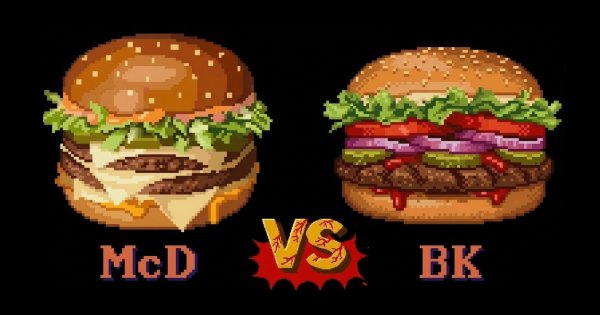
Burger King’s response wasn’t in any campaign brief. It was reactive, fast, and did not include any CEO commentary. It reframed the entire conversation, proving that cultural fluency can eat marketing strategy alive.
Red Lobster’s CEO Damola Adamolekun went on The Breakfast Club in late February, started reading customer comments publicly, and posted product launches on his personal Instagram. One social video hit 1.8 million views. Sales climbed 10%. He wasn’t more authentic than Kempczinski. But he successfully translated authenticity into commercial momentum, and his brand had the infrastructure to capture what that created.
Watch for more local creators to spark global movements
With social media reaching people across borders, marketers no longer have as much control over which creator finds your brand, or where they’re from.
The global creator economy has made geography irrelevant and timing everything.
Your brand can only control whether it’s ready when the moment arrives—if your response is fast enough, or how you stay in tune with consumers while remaining commercially sharp. That’s what turns a cultural moment into a sales outcome. We’re reaching a phase now in the Creator Economy where speed outweighs spend, and simply having an audience matters less than knowing what to do with it.


