




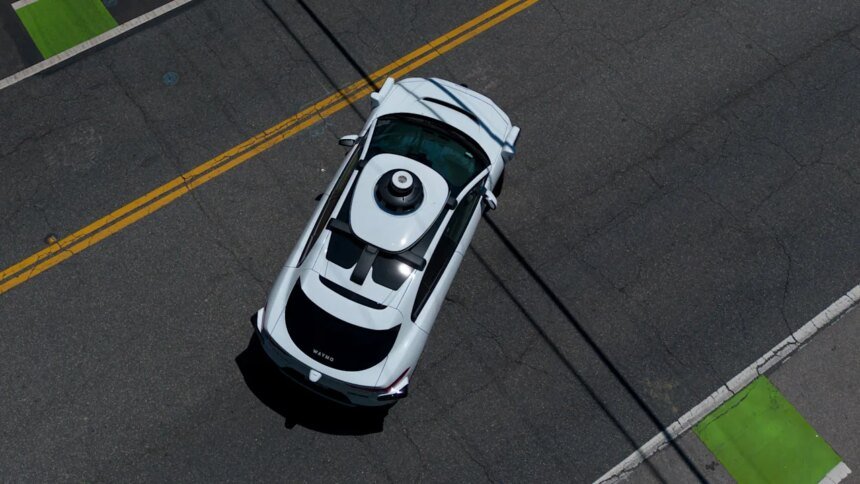

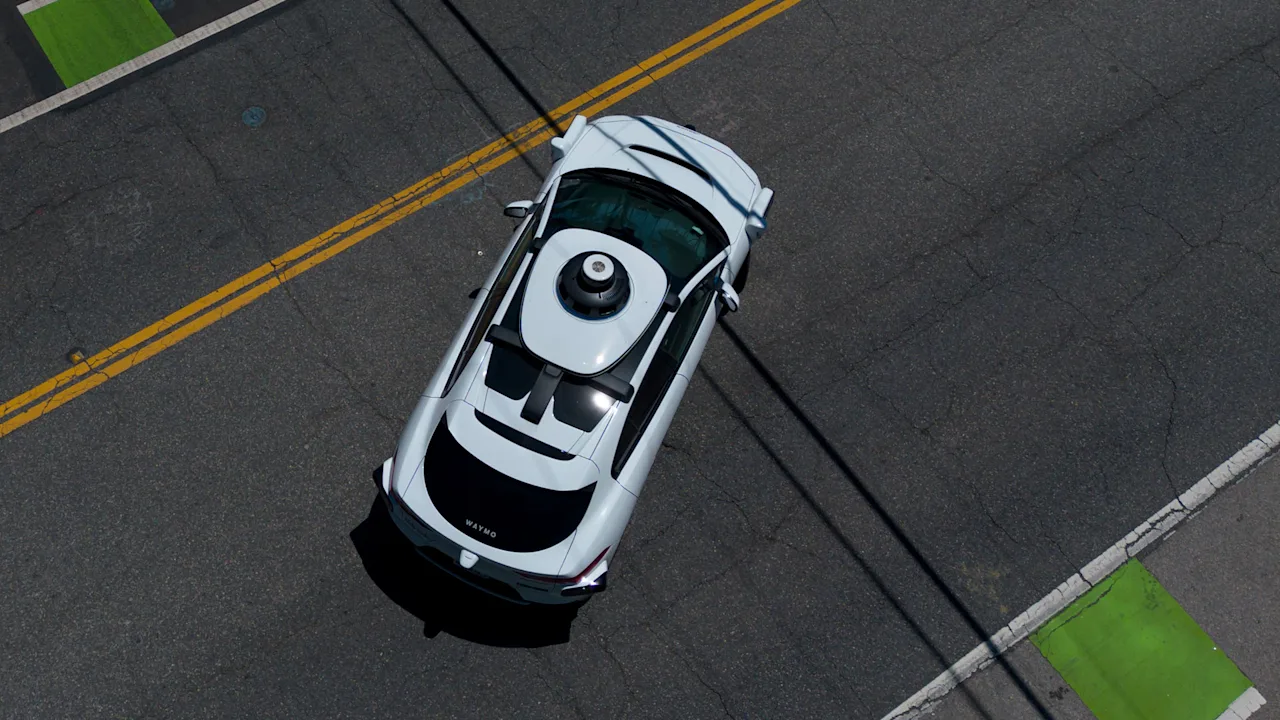
A normally quiet Atlanta neighborhood has suddenly found itself flooded with traffic early in the mornings. It’s not tourists. It’s not new neighbors. In fact, it’s not people at all, but an overwhelming amount of driverless cars.
The cars are from robotaxi company Waymo, which has been operating in Atlanta since June of 2025. The company has a fleet of about 100 cars in the city—and when they’re not being called to provide rides, some of those Waymos have mysteriously decided to spend their free time circling a few residential streets.
One of the neighborhood’s residents explained the situation to local news channel WSB-TV, saying that she and her neighbors first started seeing Waymos in the area around two months ago, with larger groups of the cars coming en masse in the past couple weeks.
“It’s almost every cul-de-sac around our area, so I think it’s a real problem,” the resident said. “I think yesterday morning we had 50 cars that came through between 6 and 7.”
Residents have even tried using a small neon mannequin to block the road and keep Waymos out, but created a massive traffic jam entirely of driverless vehicles in the process. “We had, at one point, eight Waymos that were stuck, trying to figure out how to turn around,” the resident said.
The increased traffic is annoying (and more than a little creepy), but beyond any inconveniences, residents are worried that the vehicles could pose a danger to children in the area.
“We have families. We have small kids. We have animals and pets. We’ve got kids getting on the bus in the morning. And it just doesn’t feel safe to have that traffic,” the resident said. “We just would like to see them stay on main traffic roads. I don’t think there’s any reason to be on small residential cul-de-sacs if they’re not picking up somebody.”
Waymo weighs in
When news of the Waymos’ favorite hangout spot made it to social media, users quickly had a field day laughing at the absurdity of the situation and theorizing the potential causes behind it.
Some users joked that the cars were developing their own culture. “Oh so it’s wrong for cars to invent religion??” one user asked.
“God forbid a robot have a hobby,” quipped another.
Others thought the cars’ bizarre patterns were a sign of something more sinister. “They just surveilling the city. No doubt about it,” one user theorized.
“This is such a perfect allegory for what AI is doing to society,” pointed out another.
Though Waymo itself has yet to chime in on the discourse on social media, a Waymo spokesperson said that the company has “already addressed this routing behavior” in a statement to Fast Company.
“At Waymo, we are committed to being good neighbors. We take community feedback seriously,” the statement reads. “With over 500,000 weekly trips across the country, our service is proven to significantly reduce traffic injuries and improve road safety. We value our relationship with Atlanta residents and remain focused on providing a seamless, respectful, and safe experience for riders and residents alike.”
Where should cars spend their downtime?
The Waymos’ habit of circling cul-de-sacs may have been a glitch in their programming, but it raises a question regardless: When they’re not driving passengers around Atlanta, where are the Waymos supposed to be?
The company does have parking depots for its vehicles where they’re cleaned and serviced, but Waymos are also programmed to seek out street parking when they’re in between rides.
In a statement to The Verge last August, Waymo’s director of product management Vishay Nihalani said the company’s vehicles “will find appropriate parking spots to wait for short periods between trips, either in Waymo’s parking facilities or on-street parking locations.”
“When Waymo vehicles are idle and don’t have charging or maintenance needs, they choose between parking in nearby spots or driving to areas of high demand,” Nihalani explained. “This allows us to best match ride-hailing demand and vehicle supply, while conserving energy and reducing traffic congestion.”
But a quiet residential area in northwest Atlanta doesn’t sound like an “area of high demand”—so for now, what drew the Waymos there in the first place remains a mystery.

