





Key Takeaways
- Anthony O’Neal’s financial turning point came in 2005, when he realized he was “broke.”
- Despite driving a flashy car, he didn’t have $5 for a meal at McDonald’s.
- The moment prompted him to stop “faking” wealth and start building it.
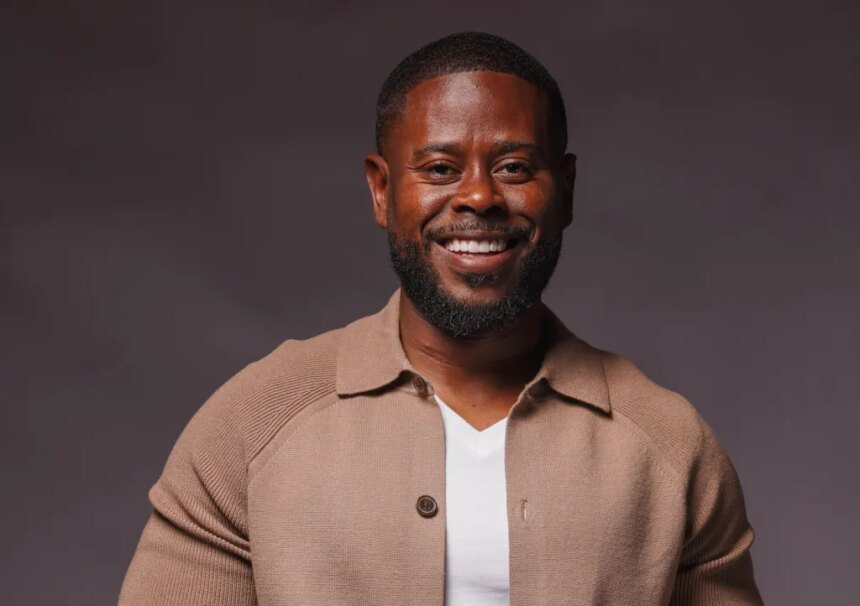
Anthony O’Neal still remembers the sting of that Friday night in 2005. He was 21 years old and meeting up with his friends at the beach. They all rolled up in spotless Range Rovers, BMWs and Ford Explorers. On the outside, they had it made.
Yet none of them had $5 on hand for a meal at McDonald’s. “It hit me right there,” O’Neal says in a new interview with Entrepreneur. “How do I look like I have money, but I’m broke as hell?”
Every week, he and his friends would leave the beach, turn right and cruise a mile down to Denny’s. That night, O’Neal turned left and drove home instead. He made a resolution: “If I can’t afford $5, I shouldn’t be on the beach. I need to get my life together.”
That moment became a turning point that ultimately got O’Neal out of his paycheck-to-paycheck life and onto running a multi-million-dollar business.
“I just hit a point where I was sick and tired of having to ask my brothers and my boys to borrow money, and I was sick and tired of them asking me,” he says.
That realization led him to a new mindset: Stop faking wealth, and start building the kind of life where he can afford to eat.
Discovering what taxes were
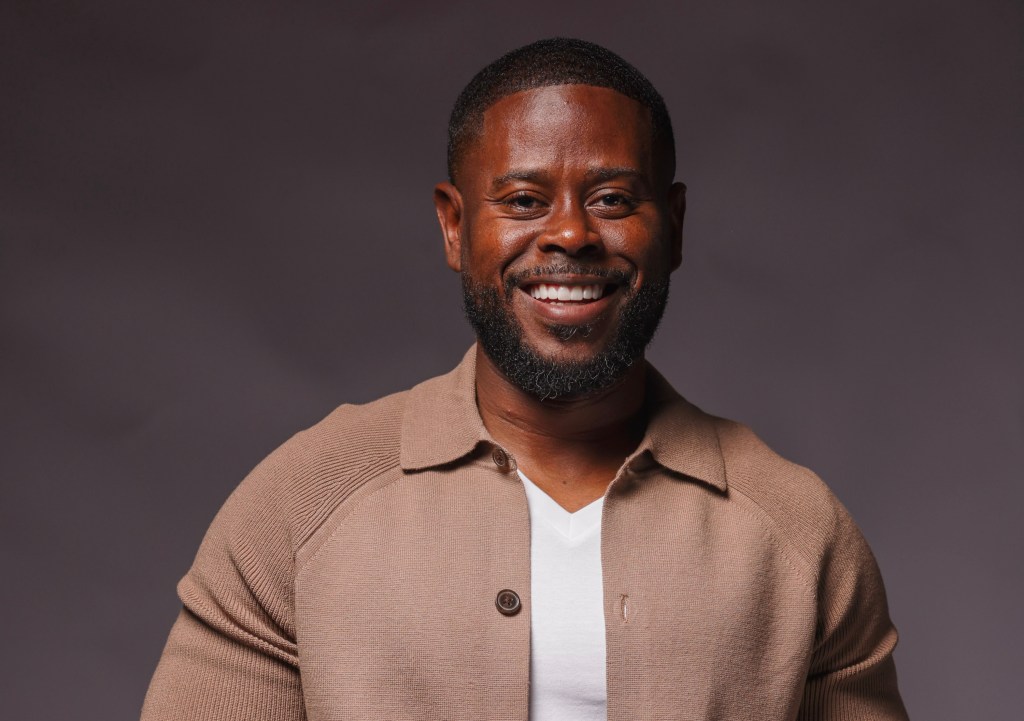
In the years that followed, O’Neal picked up two or three jobs at a time, sold cars and eventually became a youth pastor, using his own hard-earned personal finance lessons as curriculum. He began teaching teenagers what a credit report is, how interest works and why their paycheck is smaller than they expect once taxes kick in.
The lesson came from personal experience: O’Neal’s first job was at Wendy’s at 14. He was making $5.25 an hour at the time, and based on his hours, he thought his first paycheck should have been around $130.
“I was like yo, I’m about to be rich,” he says. “Then I get my check; it’s like $90.”
O’Neal rode his bike back up to Wendy’s and confronted his manager. He walked her through his calculations and asked why he had been paid less than expected. His manager shook her head and said, “Oh, poor baby. You don’t know what taxes are, huh?”
O’Neal said, “Taxes. Who is taxes?”
“I literally thought taxes was a person,” he explains. “I had to go home, and my parents laughed and explained to me what taxes were. I’m 14. I cried because I had already spent that money in my head.”
O’Neal could no longer afford to buy a pair of shoes he wanted because taxes ate into his paycheck. He says that the incident was a teachable moment.
“That was important for me,” he says. “I started teaching that to young people.”
Attracting the notice of Ramsey Solutions
Those early classes in Jacksonville, Florida, grew into one of the largest youth ministries in the city. That’s when Ramsey Solutions, a financial advice and media company founded by longtime personal finance expert Dave Ramsey, took notice.
Ramsey Solutions hired O’Neal to help build out youth financial literacy content. For seven years, O’Neal worked there as a financial influencer under the Ramsey brand.
While with Ramsey, he launched the podcast The Table with Anthony O’Neal in 2017, “really not knowing who I built it for” beyond a broad desire to “talk about money” and help people get out of consumer debt. By the time he left Ramsey in 2021, The Table had about 146,000 YouTube subscribers and roughly 5,000 downloads a month.
O’Neal says that the departure was amicable and values-driven. “I left Ramsey specifically because I had a heart and a passion to speak more directly to the minority African-American community,” he says.
He emphasized the wealth gap facing African-American households. According to a Federal Reserve Survey of Consumer Finances, the median African-American household has a net worth of around $44,100 compared to $284,310 for white families.
O’Neal doesn’t believe that the gap can be fully closed, but he does “believe that we can narrow it.” He wanted to create content and resources that spoke in the language and lived experience of the communities he grew up in.
Going independent
Dave Ramsey himself was one of O’Neal’s biggest supporters. “He understood my heart and my passion,” O’Neal says. Ramsey gave him a 30-day transition period with staff support for editing and uploading his show as he went independent.
Once O’Neal took ownership of the show, its focus sharpened around what he calls “the average everyday person” making $45,000 to $60,000 a year. They are commuting, sitting in traffic every day, feeling “sick and tired of working hard but not really seeing any fruit of their labor.”
O’Neal shifted his tone deliberately away from high-level jargon. “I spoke to a specific group of people, minority people, middle‑class, everyday people,” he says. “I wasn’t speaking over their heads.”
He reframed the show from generic money advice to a “freedom show” where listeners define what freedom looks like for themselves.
For O’Neal, freedom is being able to one day take his future wife on two six‑month honeymoons and, by 45, reach a point where he no longer has to “exchange my time for money” because his investments are buying back his time.
Building credentials
Since leaving Ramsey in 2021, O’Neal has grown The Table to roughly 1.2 million subscribers on YouTube, with close to 100,000 monthly podcast downloads.
He attributes that growth to staying tethered to his own story while constantly deepening his expertise through formal education. “One of the main reasons why I’m still thriving today is because they see that I’m not just stopping at YouTube,” he says.
He finished his bachelor’s degree and MBA at Virginia Union University and is now pursuing a doctorate of business administration with an emphasis on finance and investing at Regent University.
He’s also completing his Certified Financial Counselor (CFC) credential, which will allow him to legally and ethically offer one‑on‑one financial counseling if he chooses.
His best financial advice
The first step O’Neal took, and the first step he now teaches, is to “lay down the foundation” by doing a “heart check” and establishing an emergency fund equal to one month of net pay. According to CNBC, 40% of middle-income families would face hardship if a paycheck is one week late.
To do that himself, O’Neal established a strict budget and cut out parties, drinking and new cars. At the time, if $2,000 came in each month, he had $2,600 going out. His goal was to flip that math so that $1,500 went out and $500 remained as margin.
“Your goal should not be more income; it should be more margin,” he says.
For someone just beginning a career, his advice is to “put one month of your salary away before you buy a car, before you do anything with your money.” From there, he wants young professionals, ideally debt‑free, investing 12% to 15% of their income, or at least $100 to $500 a month.
Cars, incidentally, remain his personal weakness. “I’m a car guy. I love buying cars,” he admits, saying he has to stop himself from upgrading every two to three years. His rule of thumb: Pay cash, buy used (ideally three years old) and avoid leases, which he calls “one of the most expensive ways to buy.”
O’Neal has big goals for his business: “By 2053, we have eradicated $1 billion in debt, and we have raised over half a billion dollars in our investment portfolios as a collective.”
Things have changed for the guy who once couldn’t afford $5 for fast food while sitting in a shiny SUV. “I was living paycheck-to-paycheck; I get it,” he says. “I went from paycheck-to-paycheck to freedom. Not to rich, not to wealth, but to freedom.”
Key Takeaways
- Anthony O’Neal’s financial turning point came in 2005, when he realized he was “broke.”
- Despite driving a flashy car, he didn’t have $5 for a meal at McDonald’s.
- The moment prompted him to stop “faking” wealth and start building it.
Anthony O’Neal still remembers the sting of that Friday night in 2005. He was 21 years old and meeting up with his friends at the beach. They all rolled up in spotless Range Rovers, BMWs and Ford Explorers. On the outside, they had it made.
Yet none of them had $5 on hand for a meal at McDonald’s. “It hit me right there,” O’Neal says in a new interview with Entrepreneur. “How do I look like I have money, but I’m broke as hell?”
Every week, he and his friends would leave the beach, turn right and cruise a mile down to Denny’s. That night, O’Neal turned left and drove home instead. He made a resolution: “If I can’t afford $5, I shouldn’t be on the beach. I need to get my life together.”

