


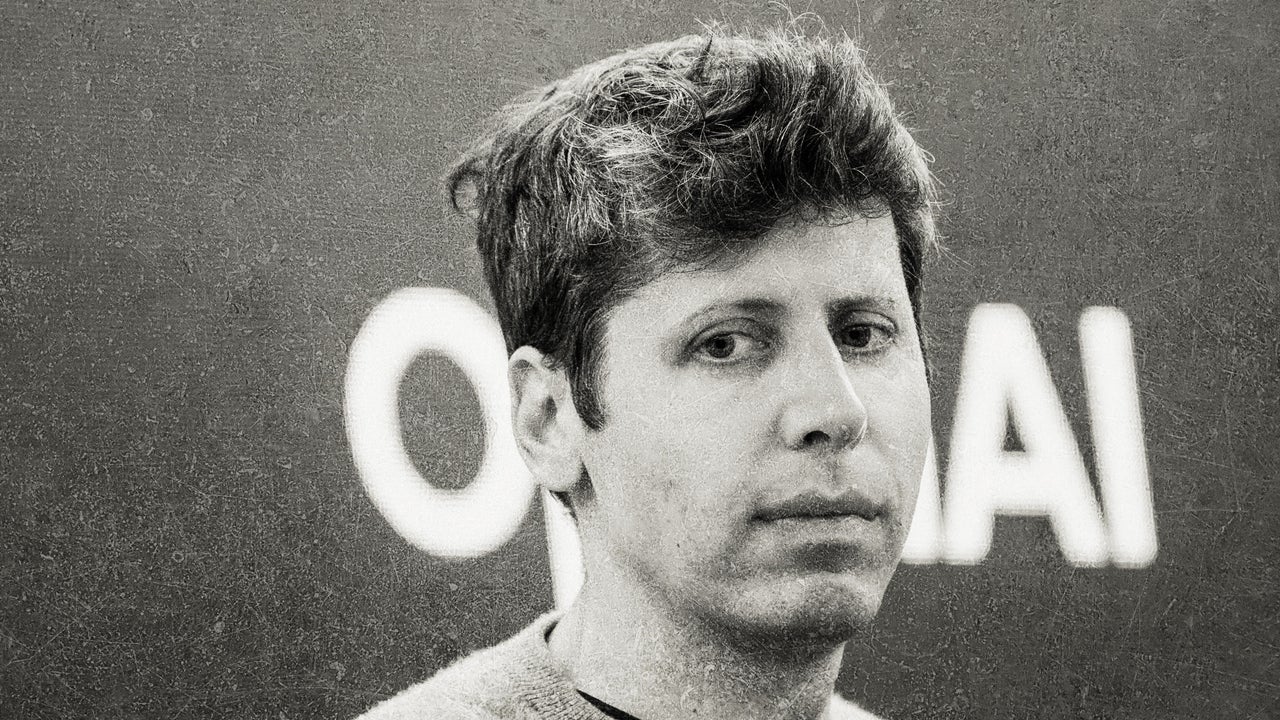
Unlike some of his industry peers, OpenAI CEO Sam Altman has been surprisingly skeptical of the notion that AI is displacing workers. In an interview a few months ago, he argued that AI was a convenient scapegoat for some companies, echoing what some economists and experts have expressed about the narrative that AI is driving layoffs across corporate America.
“I don’t know what the exact percentage is, but there’s some AI washing where people are blaming AI for layoffs that they would otherwise do. And then there’s some real displacement by AI of different kinds of jobs,” Altman said at the time.
In an interview this week, however, Altman made a bolder statement, suggesting there was little evidence AI would do extensive damage to white-collar jobs, despite predictions to the contrary.
“I’m delighted to be wrong about this,” he said on Tuesday during a virtual appearance at the Commonwealth Bank of Australia conference, according to a Reuters report. “I thought there would have been more impact on entry-level white-collar jobs being eliminated by now than has actually happened.”
“My intuitions were just off,” he added. “People are like, ‘oh, you could have saved the world a lot of fear mongering and a lot of doom and gloom.’ But at the time I was like, ‘I see this is a real risk. We should probably talk about it.’”
Part of the reason for this realization, Altman claims, is that he underestimated the human element that so many jobs require. He had tried using AI to field emails and Slack chats, but increasingly found himself responding to those messages himself—which apparently led him to believe the impact on jobs will be different than he had originally anticipated.
“I don’t think we’re going to have the kind of jobs apocalypse that some of the companies in our space advocate or talk about,” he said.
While companies have repeatedly cited AI and automation when conducting layoffs, the labor market does not yet reflect a mass reduction in jobs across the workforce. On top of that, even as tech leaders remain bullish about the promise of AI, there are signs that all their spending may not yield the results they are expecting.
In another recent interview, an Uber executive cast doubt on the idea that the company’s AI investments had meaningfully boosted productivity, despite blowing through its 2026 AI budget in just a few months. On the Rapid Response podcast, Uber president Andrew Macdonald claimed the growing use of Claude Code tokens had not necessarily resulted in better features for consumers.
“That link is not there yet, right? I think maybe implicitly there is more that is getting shipped, but it’s very hard to draw a line between one of those stats and, ‘Okay, now we’re actually producing 25% more useful consumer features,’” he said.
Still, that awareness may not help preserve jobs, especially as companies demand greater productivity from their workforce.
Whether or not AI can replace workers, tech employers continue making cuts to headcount to offset their sweeping AI investments. Some workers are already feeling the effects of widespread AI adoption, from Amazon warehouse workers to people who hold administrative jobs—and despite the concerns about white-collar employees, researchers have found there could be significant downstream effects for workers without college degrees.
For all his talk, even Altman has noted that there’s a chance the fallout from AI could be worse than it seems right now—and that it could eventually come for his job, too.

