






The most sustainable piece of clothing you own probably has nothing to do with recycled polyester or organic cotton. It’s the little black dress you’ve worn on repeat for 15 years and the pair of ripped Levi’s 501s you can’t imagine ever throwing away.
The harder question—the one the fashion industry has never quite figured out—is how to design something like that on purpose. How do you make a garment someone loves now and will continue to wear for years? This is something Sarah Bonello thinks about constantly as she designs for her new label, The Park.

After decades in fashion PR, where she developed a finely tuned sense of what the market was missing, Bonello believed there was room for a line of basics—T-shirts, simple dresses, pedal pushers—that make it easy to get dressed in the morning. She came to the conclusion that the garments we love are the ones that fit beautifully, thanks to the drape and feel of the fabric. “It was interesting to see the pieces I’ve had for 20 years that I never want to get rid of,” she says. “They’re evergreen pieces that make you feel beautiful.”
Bonello set out to reverse engineer some of her favorite garments, creating a collection she believes will make women look and feel good at any age and size; 18 months ago, she launched The Park with a tightly edited collection of T-shirts, trousers, and dresses.
The bet paid off faster than she expected: Retailers like Moda Operandi and Net-a-Porter started selling out of her pieces regularly, and Nordstrom has just picked up the brand. Now she’s expanding the line, making her best-selling silhouettes in new materials—velvet, a gossamer sheer—while keeping the edit deliberately tight.
The Park tries to be sustainable from the ground up. Each piece is made using fabrics with a small environmental footprint, like fibers sourced from responsibly managed forests and nylon made from fashion waste. But Bonello doesn’t believe most consumers buy clothes because of their environmental credentials. What she believes—and what she’s building her entire business around—is that she can nudge customers toward more sustainable behaviors simply by making pieces they want to wear on repeat.
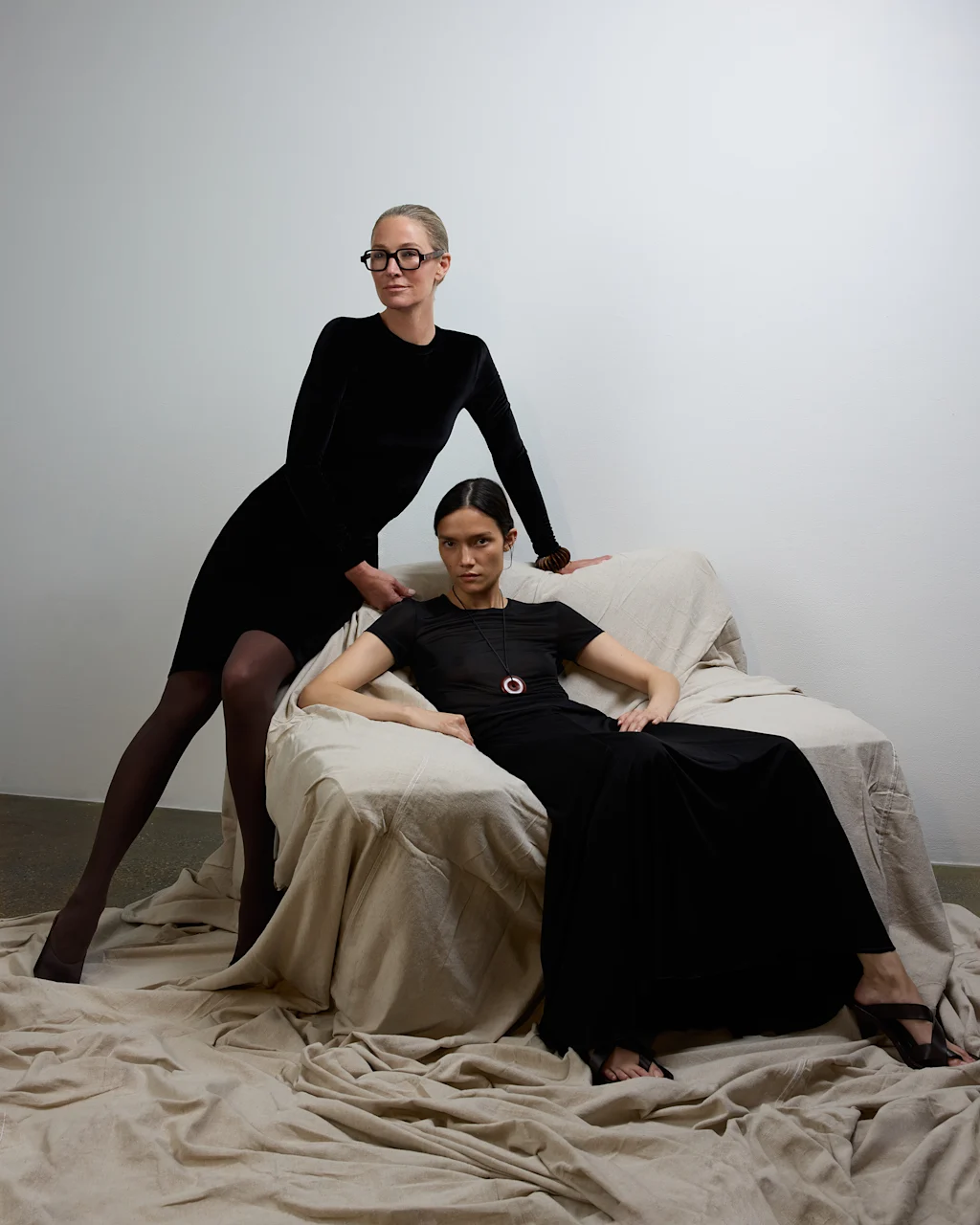
The Anti-Trend Collection
To make clothes that fit beautifully and will last for years of repeated wear, Bonello knew she needed exceptional fabrics. She scoured the market for high-quality materials from leading mills.
Eventually, she came across the Spanish textile innovator Pyratex, which had created a fabric called Power 3, made from a blend of micro-Tencel and recycled elastane. These materials are sourced from sustainably managed forests and are certified by both OEKO-TEX (that tests for harmful toxins) and the Forest Stewardship Council.
But what sold her wasn’t the certifications; it was how the fabrics feel. They offer a bit of compression, so you feel hugged by the garment. They’re soft and drape nicely. But they also have some of the features of technical activewear, like moisture-wicking, antibacterial, and temperature-regulating qualities. “This is too expensive of a material to use in yoga, but the clothes I am making are activewear, in a way, because we have active lives,” Bonello says.
Bonello used the fabric to develop The Park’s first collection, which is narrow by design: tops, bodysuits, bralettes, straight-leg trousers, skirts, a handful of dresses—almost entirely in black, white, and neutrals. No prints. No seasonal collections. No reason to come back next month for something new, which is the whole point.
Fit is where Bonello is most obsessive. Everything is pull-on; there are no fussy zippers or buttons. The designs work from size 0 to 16. The goal is a garment that fits on good days and bad ones, across years and decades. “One day I could fit into a pair of jeans, the next day I can’t,” she says. “I don’t like that feeling, so I really don’t want my [customer] feeling that way.”
The fabric can go in the washing machine, packs flat, and doesn’t wrinkle. These aren’t glamorous properties, but they lead to something a wearer actually keeps. And the temperature-regulation and moisture-wicking qualities have produced some memorable testimonials. “I’ve had people say, ‘Listen, Sarah, I bought this dress with me and I wore it five days in a row and it didn’t smell,’” Bonello says.
Because the fabrics are expensive and the business model is premised on quality over quantity, the prices reflect it. A simple tank starts at $135; a semi-sheer skirt runs $575. Most pieces land between $300 and $500. Many customers come to The Park because the pieces pair well with what they already own: the high-quality basics they’d been searching for to wear with their Phoebe Philo trousers or Chanel jacket.
Luxury retailers understood the pitch immediately. The brand is also carried in the kind of curated boutiques where a salesperson knows the regulars by name: ByGeorge in Austin, Kick Pleat in Dallas, and Hampden Clothing in Charleston, South Carolina.
What The Park is attempting has a lineage. Bonello names her references readily: Jil Sander, Phoebe Philo, even Eileen Fisher. These designers are known for their clean lines and enduring silhouettes. And importantly, their garments don’t require a specific body type, age, or cultural moment to work. It’s a tradition of fashion that treats getting dressed as a problem to be solved once, not an occasion for constant reinvention.
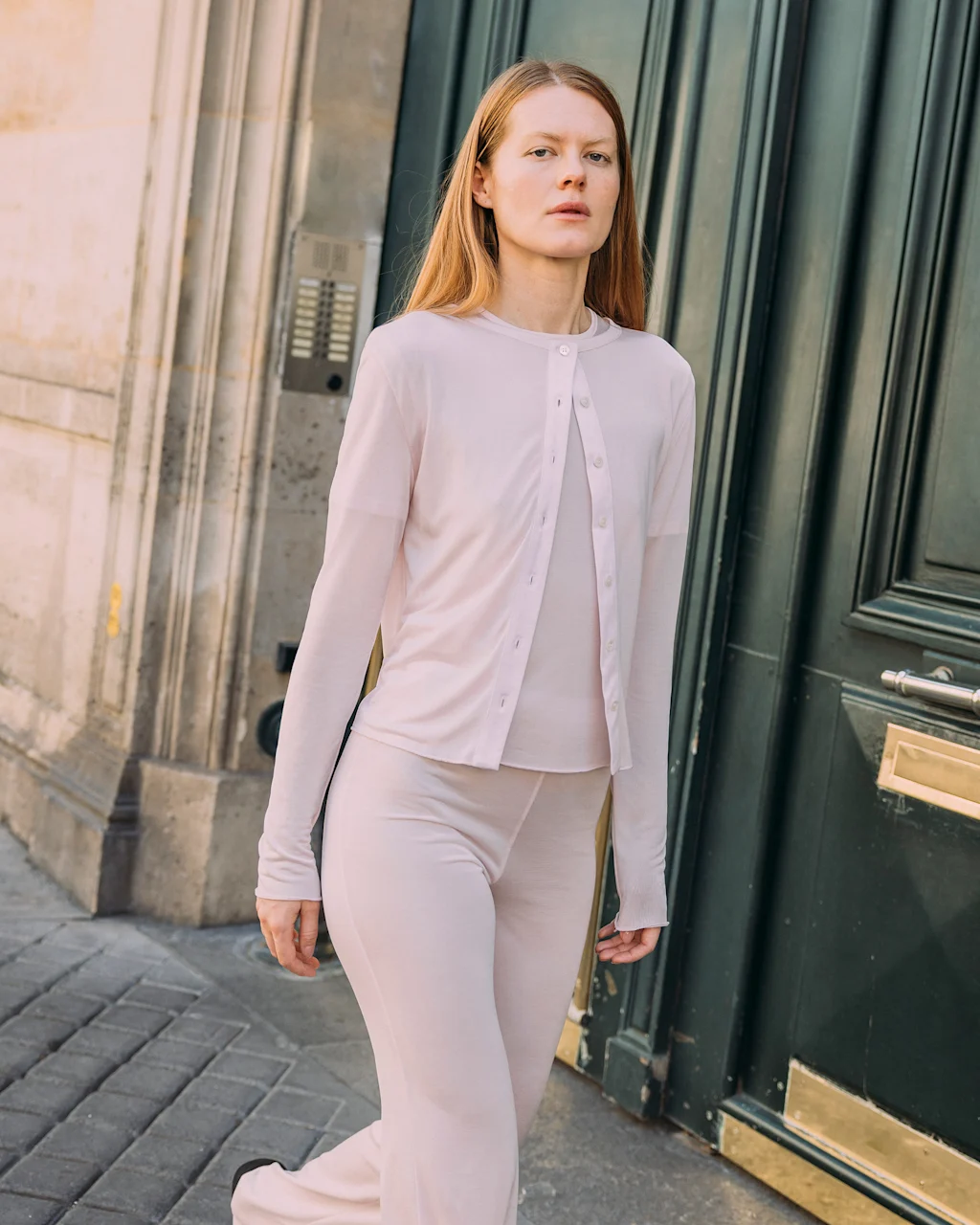
The Fabric Obsessive
Over the months as The Park has grown, Bonello has expanded her palette of materials. Each new addition filters through the same lens of how it drapes and feels on the body, coupled with sustainability.
The newest line, Re-Wear, is built on a fabric made from recycled textile waste that is even softer than Pyratex Power 3—designed to feel like your favorite vintage T-shirt. Bonello has used it to create tanks and long-sleeve tees that sold out immediately and had to be restocked. A thicker, scuba-style fabric appears in turtlenecks and bralettes; it’s made from recycled polyester derived from plastic bottles and certified to the Global Recycled Standard. Several dresses come in a velvet made from recycled polyester that is both OEKO-TEX and GRS certified.
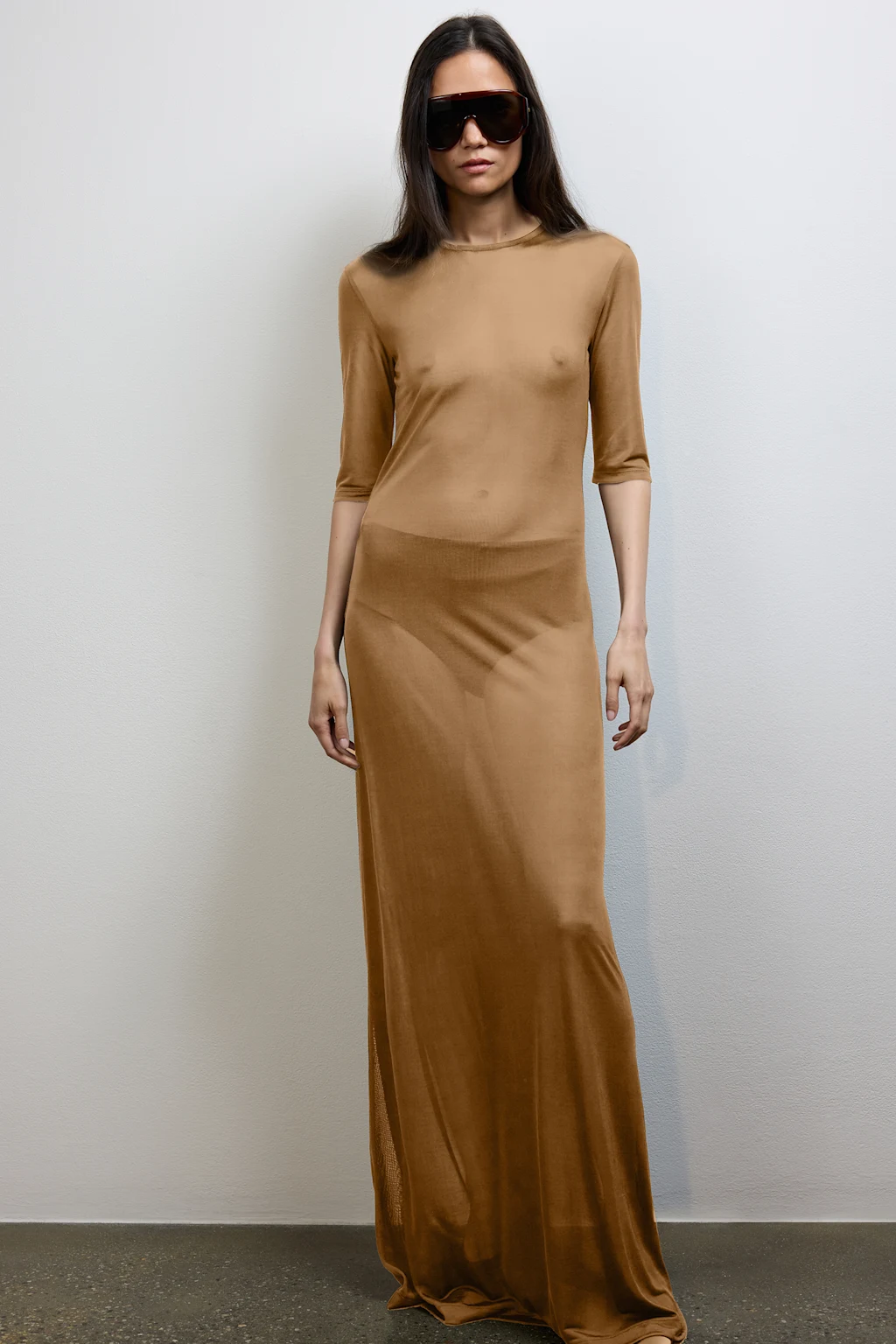
And then there’s the showstopper: The sheerest pieces in the line use a material developed with Circ, a Virginia-based company that has pioneered a hydrothermal process to recover cotton cellulose from blended textile waste—one of the hardest material streams in the industry to recycle. The resulting fabric is so delicate that Bonello ships it to customers with white gloves. She’s already developing a sturdier version for future seasons.
The Customer Doesn’t Care
Here’s the uncomfortable truth Bonello has learned: Most of her customers (some 80%, the designer says) don’t particularly care about any of this. When she launched The Park, she led with the eco-credentials of her materials, but it didn’t move the needle. What they do care about, she found, is how well the clothes fit. So she stopped leading with sustainability. Now she leads with the clothes. The bet is that if a garment is good enough, the sustainable behavior follows on its own.
It’s a counterintuitive business model, at least by the standards of an industry that has spent the past two decades accelerating in the opposite direction. The fast-fashion playbook, pioneered by Zara and perfected by Shein, is built on velocity. The goal of many brands is to get new styles to consumers as fast as possible, price them low enough to feel disposable, and count on the next trend to drive the next purchase.
Even luxury brands have quietly embraced the logic, expanding their number of annual collections and leaning into “drops” (limited-edition collabs) and exclusivity to keep demand perpetually restless. The entire system is engineered to make customers feel like what they bought last season is already passé.
Bonello is betting against that current. She’s creating a small edit of enduring pieces that spurs customers to buy only what they need. But to create a sustainable business, she’s counting on customers who are willing to pay more for the garments, return for additional silhouettes, and tell other people about them. “I’m trying to create pieces that will stand the test of time,” she says. “I want you to have this and own this in 10 years.”
Whether The Park’s model can scale is an open question. Bonello is one designer with a small collection, swimming against an industry that generates billions of dollars from planned obsolescence. But the bet she’s making—that the most powerful sustainability argument isn’t an environmental one, it’s an aesthetic one—may actually work. You can’t guilt people into buying less, but perhaps you can make them something they love too much to replace.

