



Walt Disney and OpenAI make for very odd bedfellows: The former is one of the most-recognized brands among children under the age of 18. The near-$200 billion company’s value has been derived from more than a century of aggressive safeguarding of its intellectual property and keeping the magic alive among innocent children.
OpenAI, which celebrated its first decade of existence this week, is best known for upending creativity, the economy, and society with its flagship product, ChatGPT. And in the last two months, it has said it wants to get to a place where its adult users can use its tech to create erotica.
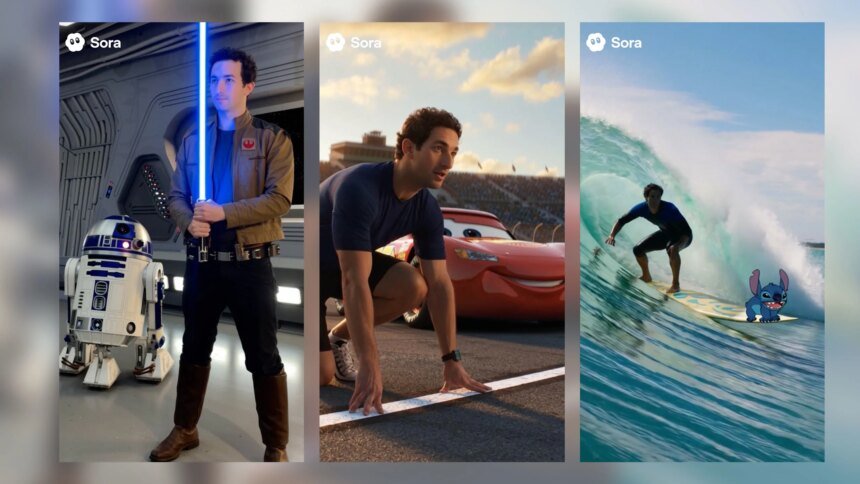
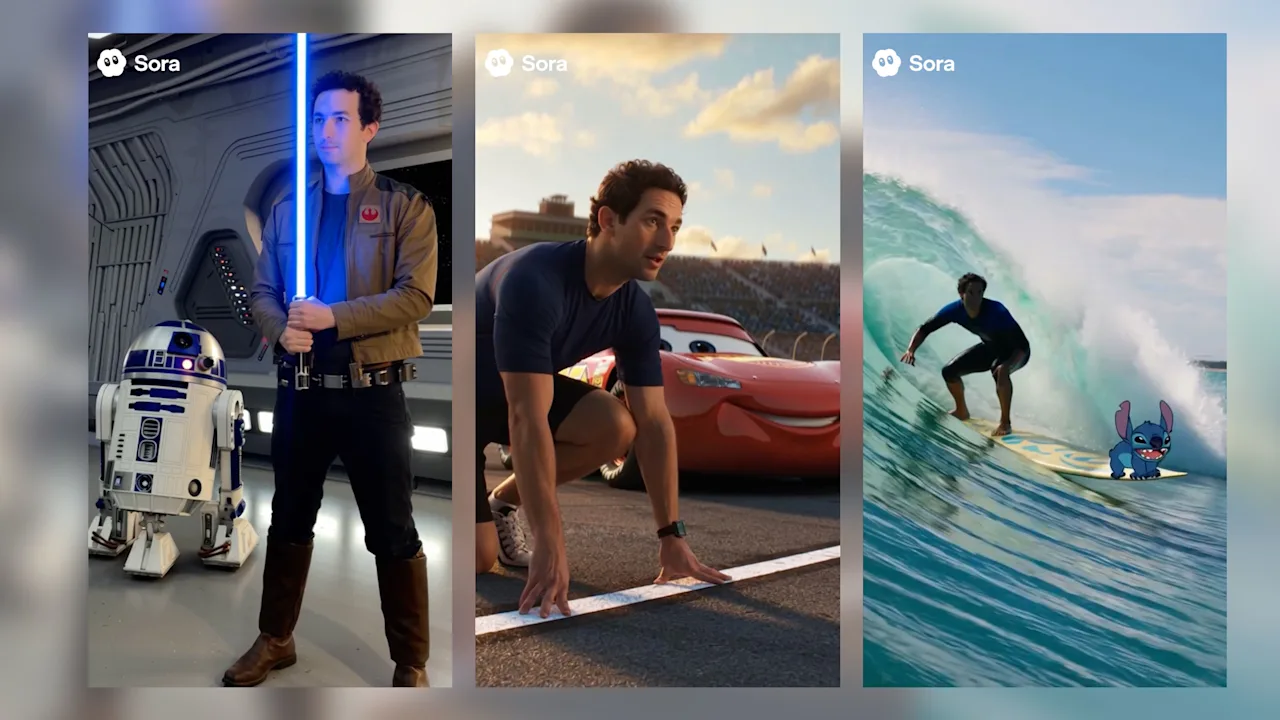
So what the hell should we make of a just-announced deal between the two that will allow ChatGPT and Sora users to create images and videos of more than 200 characters, from Mickey and Minnie Mouse to the Mandalorian, starting from early 2026?
Terms of the deal
As part of the three-year agreement, OpenAI has committed to continuing to implement robust trust and safety measures, as well as controls to stop illegal or harmful content. Disney hopes that means you can’t make lewd footage of Belle and the Beast—but given the precarity of AI-model guardrails, and the ease with which they can be jailbroken, there’s no guarantee.
That’s what makes the deal so puzzling for Disney, an externally benign behemoth that has long acted like an attack dog in defending unauthorized use of its intellectual property.
“Some Disney fans and content creators will undoubtedly celebrate the news and the opportunity to play in the Company’s sandbox in a more official way,” says Rebecca Williams, a researcher who studies Disney and its business at the University of South Wales. “But there are clear questions over copyright here.”
Among them is how much influence Disney—infamously controlling over how its characters are depicted—will have over the 800 million ChatGPT users’ creations. Although the deal reportedly will result in the creation of a joint steering committee to dictate the use of IP, this is a company that has previously sued providers of costumed characters for child birthday parties for unauthorized use of its IP.
And as it brokered its deal with OpenAI, lawyers for Disney sent a letter to Google alleging copyright infringement on a “massive scale.” (Google did not immediately respond to Fast Company’s request for comment on the claims.) “Disney is famously an IP defender and very aggressive,” says Carissa Véliz, an AI ethicist at the University of Oxford, “and OpenAI just throws it out the window.”

