




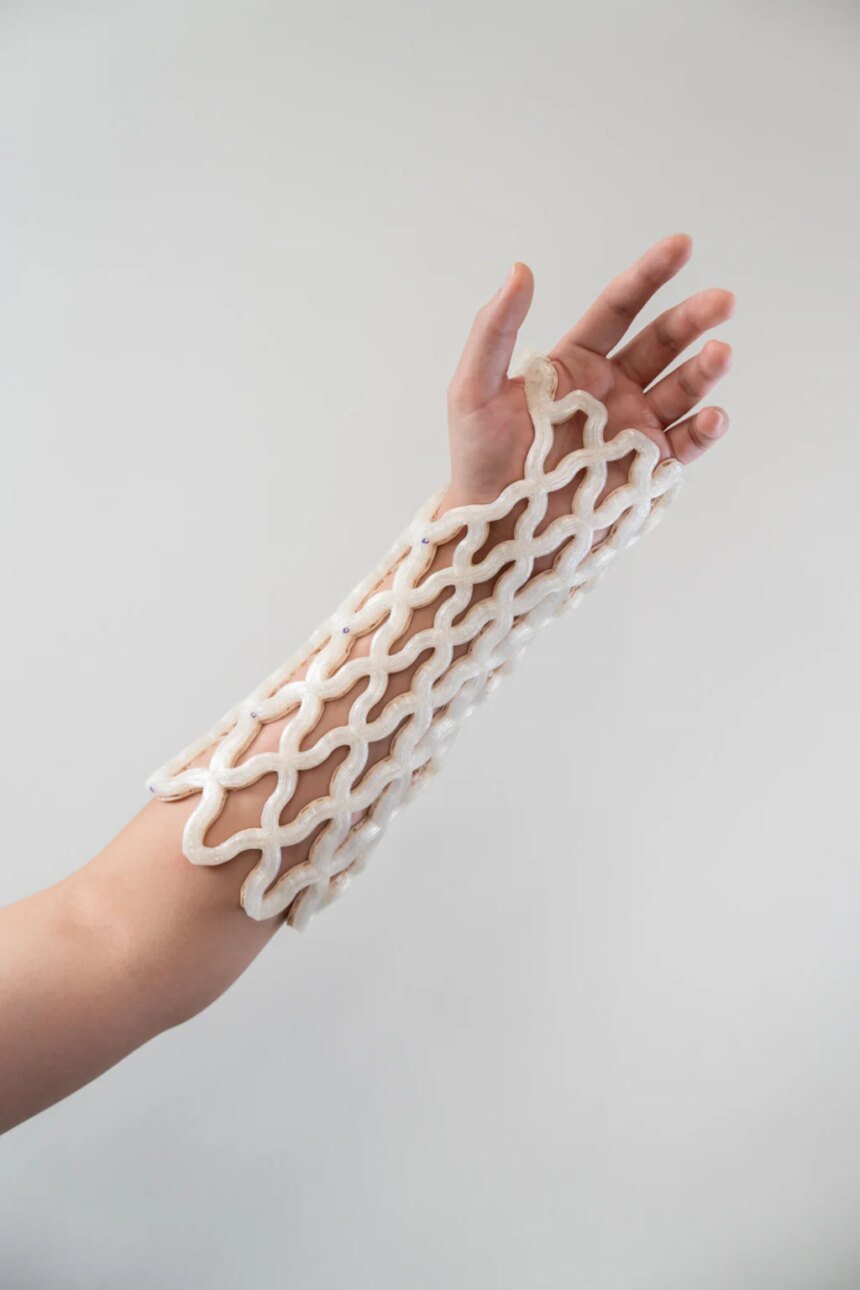

Breaking your arm or wrist typically comes with another layer of misery: wearing a hot, itchy cast that makes showering tedious and swimming impossible. But in Singapore, patients at some hospitals and clinics now have another option—an open, 3D-printed cast that’s more comfortable to wear and fully waterproof.
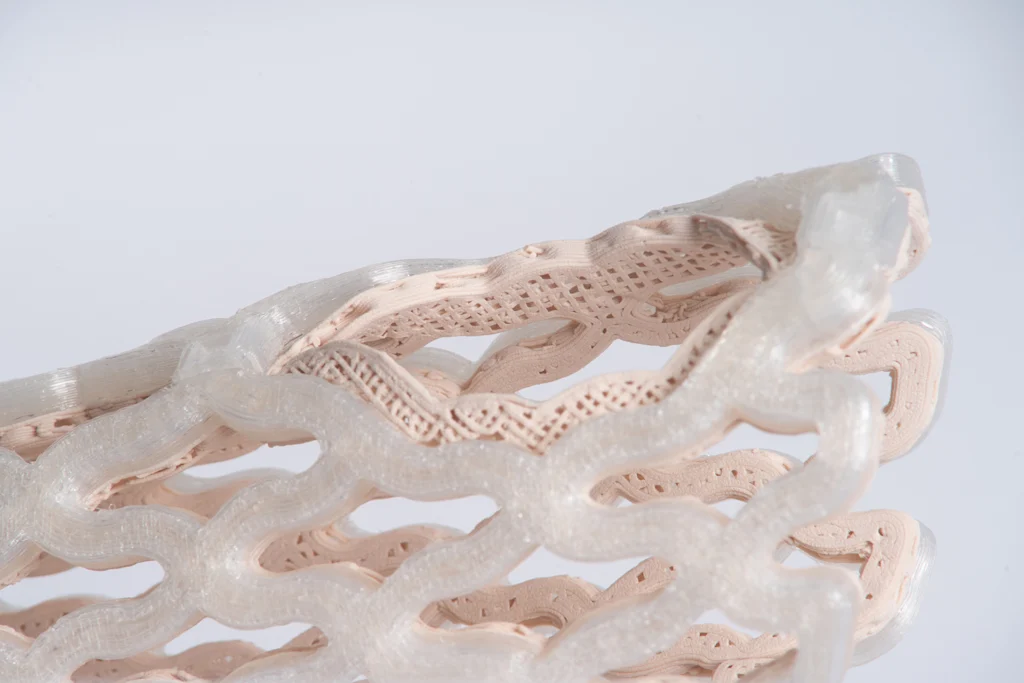
Castomize, the Singapore-based startup behind the product, says that it’s also easier for doctors to use. To apply the cast, the medical team first heats it up to become soft and flexible. Then a doctor wraps it around the arm and clips it together with small built-in buckles. As it cools, it hardens in place.
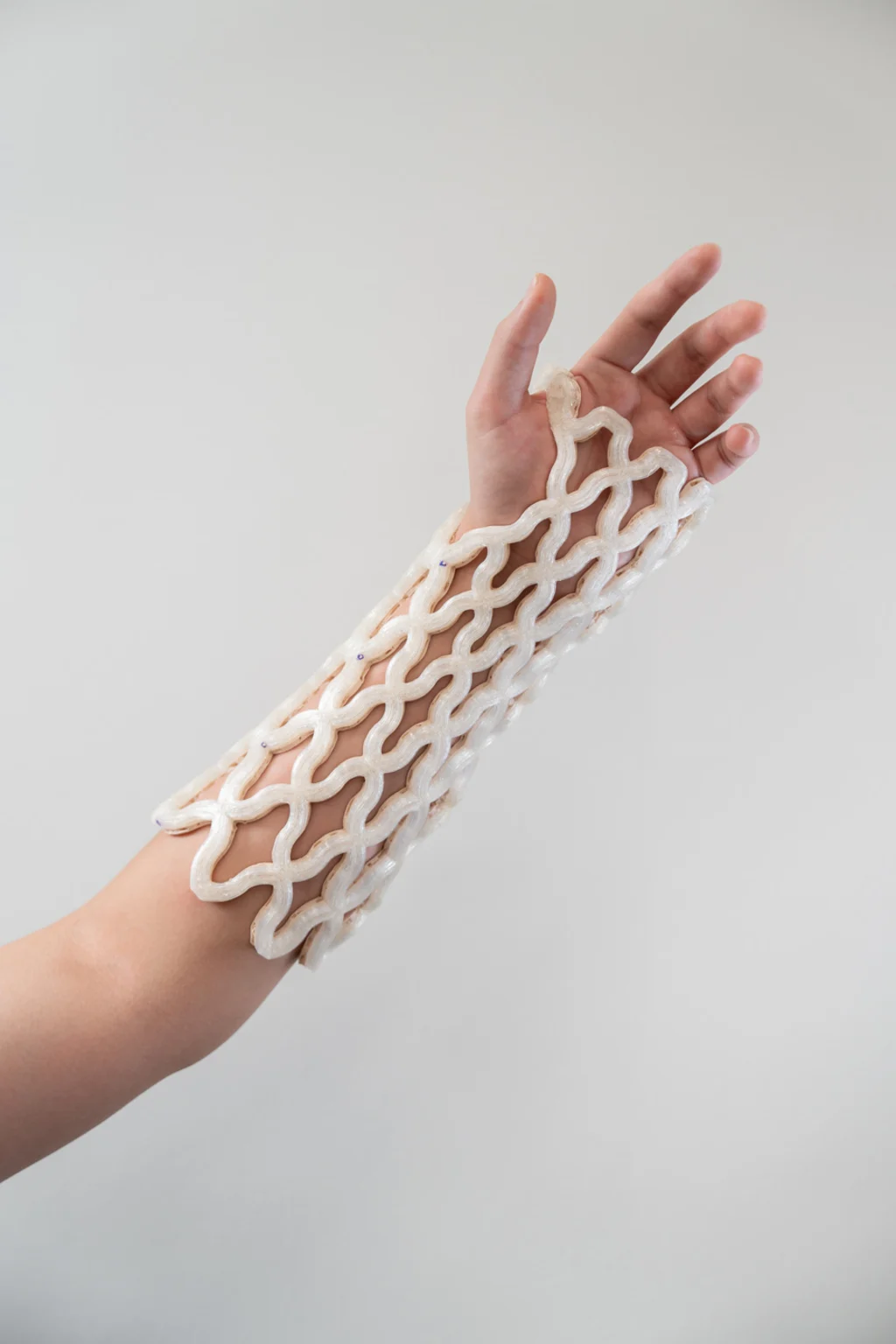
The traditional process, by contrast, takes 10 different steps and multiple materials, and it’s easy to make mistakes. “Clinicians need to avoid wrapping casts too tight or too loose, where both scenarios would cause healing complications such as pressure injuries,” says Abel Teo, the company’s CEO. If there are problems, or as the cast loosens over time, patients have to come back to the doctor for a recast—with the hospital or clinic footing the bill. If the new cast needs to be adjusted as the patient heals, a clinician can instead remove, reheat, and reuse it.
While the cast is around 30% to 50% more expensive to make than a traditional fiberglass version, the time savings—and the fact that it’s possible to avoid redoing the cast—can mean that clinics end up with a lower overall cost. In one trial, a hospital in Singapore has had an average of 25% cost savings, Teo says. In the future, the company plans to offer a sanitization process so that the casts can eventually be reused repeatedly for different patients.
Castomize calls its process “4D” printing, since the final product involves the fourth dimension of time and it changes shape after it comes out of a 3D printer. Unlike a related product called ActivArmor, which uses 3D scanning for a custom fit, the Castomize product comes in standard sizes for adults and children and isn’t customized, helping reduce time and cost.
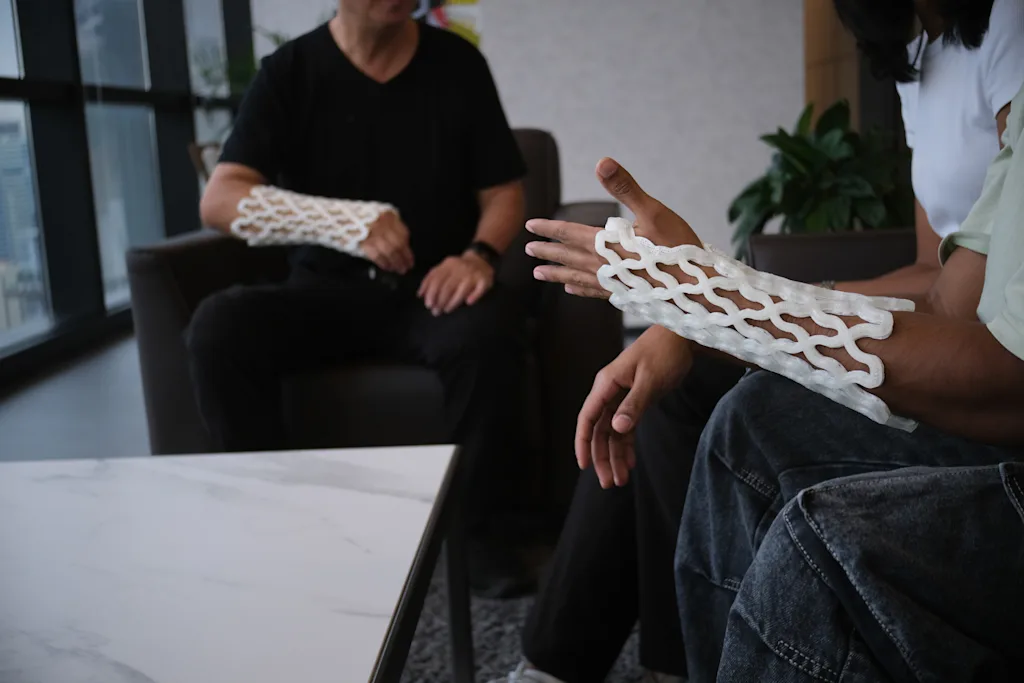
The design started as a student project at the Singapore University of Technology and Design in 2017. One of the cofounders, Johannes Sunarko, revisited it as a master’s thesis in 2021, and then partnered with another former student, Eleora Teo, along with Abel Teo (no relation), to launch a startup to manufacture it.
After clinical trials showed that it was effective as a replacement for a traditional wrist cast, the product got approval as a medical device in Singapore and came to market last year. It’s also approved for sale in Australia, South Korea, and Taiwan. Castomize is working on FDA approval and the CE (European Conformity) mark in Europe.
The company also recently introduced an ankle model and elbow model. Each body part requires a new design. “We needed to work closely with clinician experts in ankle fractures and casting, along with researching and experimenting with different geometries and material combinations,” Abel Teo says.

