






As for the bigger play this deal signals, one has to look beyond the documentary format as the only entry point. Warner has made no secret of its appetite to move with technology — as seen via its partnerships with AI music platforms Suno and Udio — and Netflix’s other capabilities are equally significant.
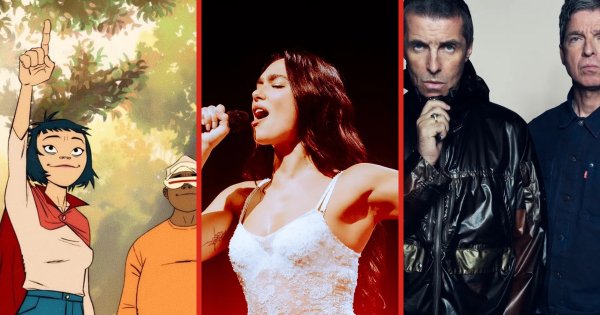
World-building is the game for the modern artist: constructing a coherent creative universe that extends beyond music to the live show, the red carpet, the brand partnerships. Many WMG artists have pioneered this thinking, not least Gorillaz, who have always been about stories bigger than their music.

Netflix has an ever-diversifying assortment of services at its disposal: live event programming (BTS’s recent concert livestream drew more than 18 million viewers from 190 countries); gaming (a stated focus for 2026); and physical fan experiences via the growing Netflix House property. It’s a platform built for turning fandom into something stickier and more expansive, and music artists should make full use of it.
It’s not inconceivable that a global artist like Dua Lipa might premiere a new album on Netflix via a concert special, pair it with a behind-the-scenes documentary or a short film deepening the album’s narrative, and layer in further on-platform experiences for fans with a physical event or merchandise activation at Netflix House. One artist, one album cycle, one platform, multiple surfaces. That is a fundamentally different proposition to what a label or a streaming deal could offer alone.
There is extraordinary scope for brands to make all of this bigger and more interesting, but only if they understand the intricacies of an artist’s world and what it means to be additive rather than extractive — resisting partnerships that feel opportunistic, and instead offering depth and richness in a way that only they could.
Only then can brands help expand on what this deal truly promises: to shape the legacies of artists and the worlds they have built.

