





This post was created in partnership with Havas
Key takeaways
- The most desirable brands are often those that make bold choices when creating affinity with their audiences.
- Technology has changed how people search for and validate information, making affinity and desire increasingly important.
- Metrics and frameworks need to evolve to gauge desirability better and surface actionable insights.
Brand growth depends on much more than visibility. Outperforming brands are the ones people truly want and actively choose, trust, talk about, and return to.
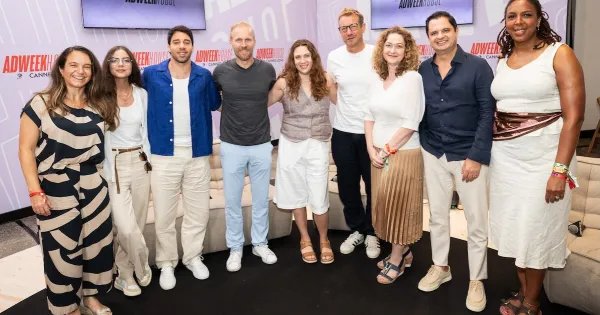
During an ADWEEK House Cannes Lions group chat co-hosted with Havas, industry leaders explored why desire has emerged as one of the most powerful competitive advantages in modern marketing.

From noticed to desired
The conversation began by discussing what differentiates a brand not only from being noticed by consumers, but from actually being desired.
Mark Sinnock, global chief strategy officer at Havas Creative, said it’s the unashamed and unapologetic brands that create the strongest affinity.
“When we’ve started to look at the dimensions of desire, you see that the brands that are really cutting through are able to attract people,” Sinnock noted. “They have this magnetism, so they show up, their body language is bold and confident, and they feel like they’ve got a bit of chutzpah in them.”
Nicole Meier, global director, marketing at Pantone, said her company works with “a lot of brands to help them tap into what their identity is and what their signal is, and how they can communicate that through color and through color psychology, and who they are as a core.”
Speaking from a behavioral science perspective, Lea Karam, founder and CEO at Mindscope, explained that “the brain is actually not a deliberation engine; it’s a prediction engine. So, if you’re able to get it in that natural state of prediction and really build a choice architecture around it, then you’re closer to your communities.”

