





This post was created in partnership with CNN
What keeps people coming back to a media brand? Often, it starts with the stories, personalities, and cultural conversations that capture their interest.
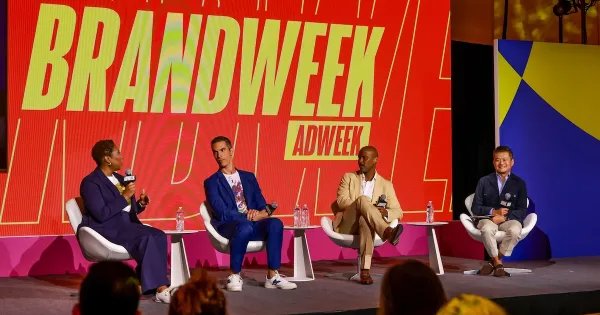
During a Brandweek 2026 panel co-hosted with CNN, Will Lee, CEO of ADWEEK, sat down with CNN leaders and journalists to discuss how new programming and familiar hosts can help media companies build stronger relationships with audiences.
Meeting audiences across personalized timelines
CNN is broadening the ways it reaches people between major news moments. Guy Griggs, SVP of ad sales and client partnerships at CNN, said the company is developing new verticals, formats, and direct-to-consumer offerings while keeping hard news central to its identity.
The expansion addresses a recurring challenge for marketers: Reach does not guarantee attention.
“You can buy an impression; you can’t buy people’s interest,” Griggs said.
Audie Cornish, co-host of CNN’s Engagement Party podcast, sees this new reality in the way people use social media. Personal updates, entertainment, cultural debates, and current events now compete for attention in the same scroll. News organizations, she argued, have been slower to move beyond the traditional beat system that kept those subjects separate.
“I think we’ve all learned that pop culture is no longer something off to the side that’s a guilty pleasure somewhere else. It is the story,” Cornish shared.
She later described audiences as living in a “multiverse” of highly customized feeds. Cornish and Ari Shapiro, co-host of CNN’s Engagement Party podcast, help “reknit the timeline together” by comparing content in their respective feeds and deciding which topics deserve a closer look on their show.
Converting attention into connection
Fragmented feeds also give recognizable hosts a larger role. They can draw threads together, bring overlooked conversations into view, and create common ground across very different streams of content.
Shapiro explained that successful podcasts often create loyalty because listeners develop a sense of familiarity with the people behind the mics.
“They feel connected to the hosts. They feel like they’re friends, even if they’ve never met in real life,” Shapiro continued.

