






A flock of chickens living in a coop near Dallas, Texas, are ordinary birds. But they hatched inside 3D-printed artificial eggs in a lab at Colossal Biosciences, the Dallas-based “de-extinction” company.
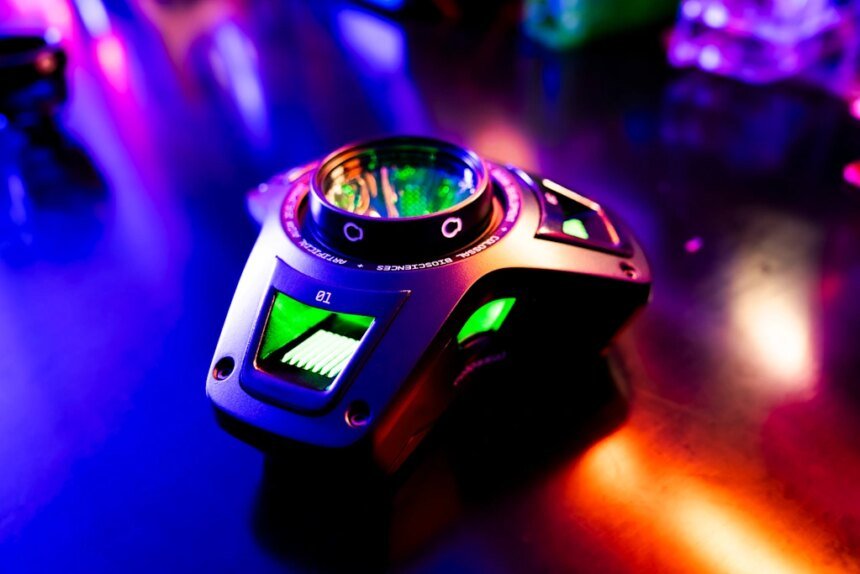
Colossal designed a new system that functions essentially like a natural egg. One of the company’s goals: to use it to bring back the South Island giant moa, a bird that went extinct in the 15th century. But the technology could also be used to help breed currently endangered birds.
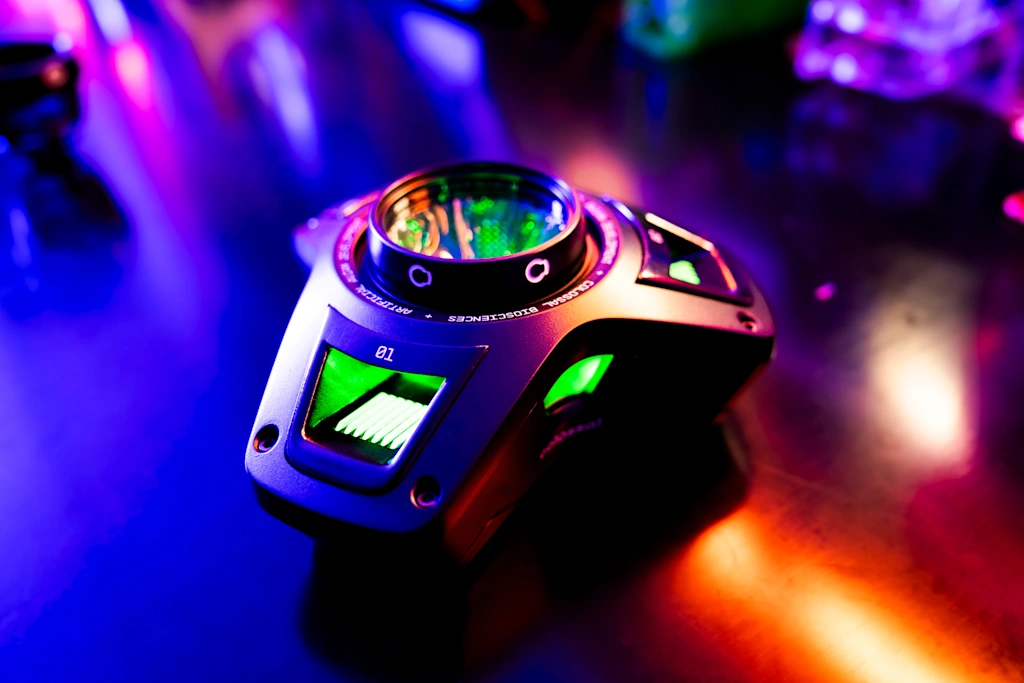
It’s not the first time that scientists tried to raise birds outside a natural shell. But previous systems, first developed in the 1980s, required a flow of oxygen and other interventions for the embryo to survive. (The oxygen also sometimes damages the birds’ DNA.) The new shell can sit inside an ordinary incubator. “We want to make sure that it is as close to an existing egg as possible,” says Ben Lamm, Colossal’s CEO.
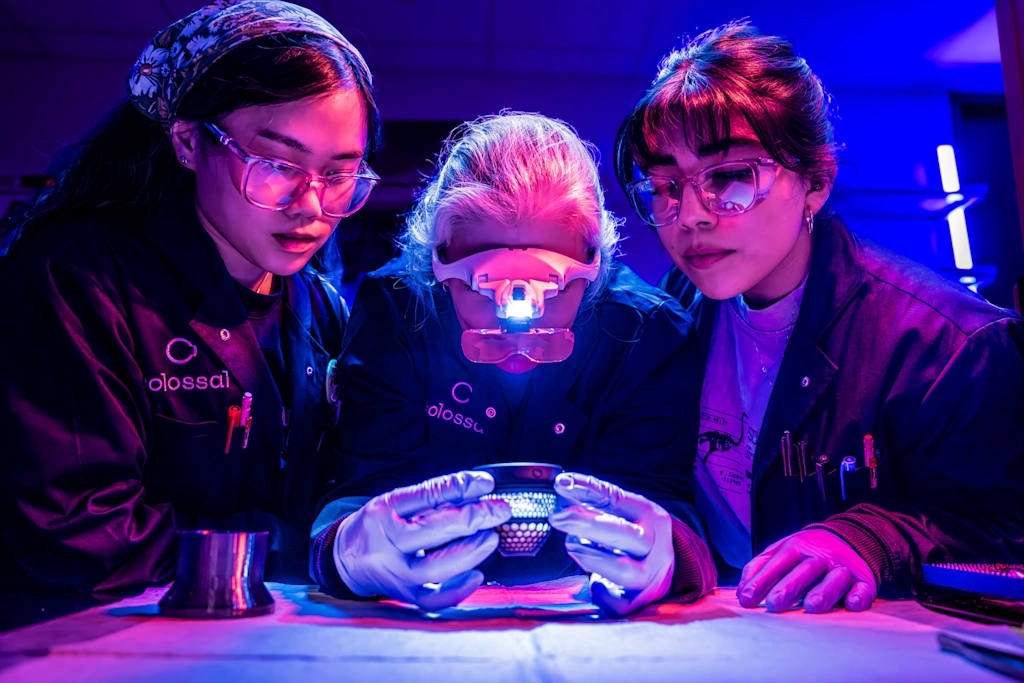
R&D took nearly two years. The new design uses a rigid titanium lattice, shaped like a partial egg, lined with a permeable membrane that can hold an embryo. The shell was initially “more egg-like,” Lamm says. “But then we thought if we’re going to be reimagining the egg, how do we reengineer it in a way that we get the most flexibility out of it?” Leaving the top open means that it can be attached to a microscope, for example, and easily monitored as the embryo grows.
To test the system, the team carefully moved chicken embryos from regular chicken eggs to the new shell. When the chick is ready to hatch, it can pop through a thin membrane at the top; staff also monitor them to help them get out. Every chick that made it to term is now a healthy chicken, Lamm says.
To raise a giant moa, the company would need to build a much larger version—the bird was as tall as 12 feet, with eggs as much as 80 times larger than a chicken egg.
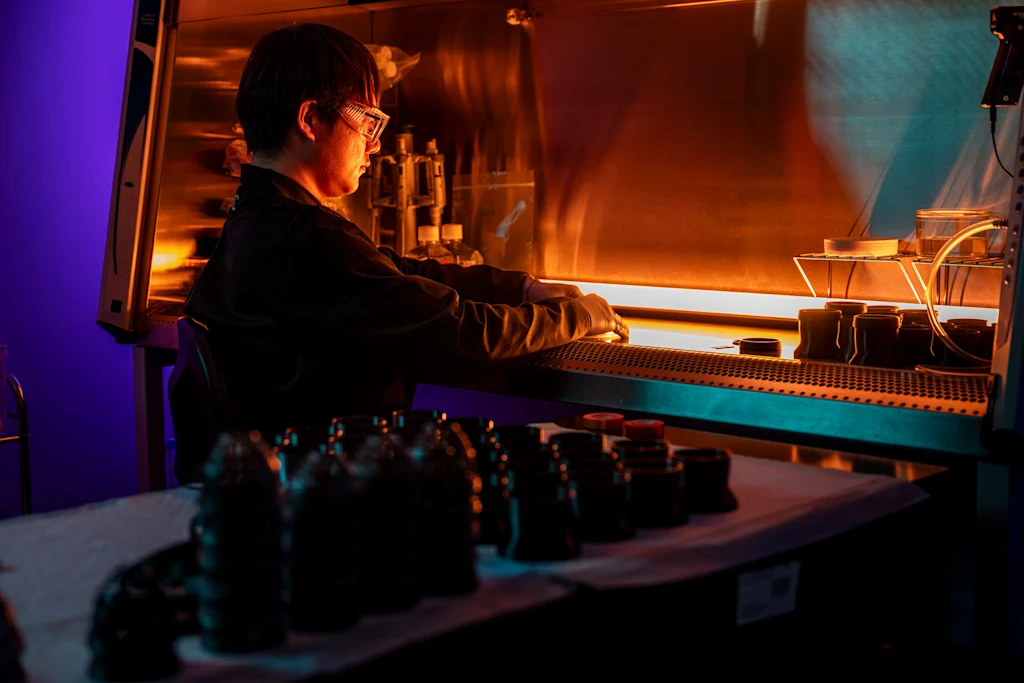
The company’s controversial process to bring back extinct species involves sequencing surviving fragments of DNA, comparing it with living relatives, and using gene editing to modify related species to produce embryos that are raised by a surrogate. (When Colossal announced that it had “brought back” dire wolves, many scientists argued that they were wolves with a handful of dire wolf traits, not actually dire wolves.) In the case of the giant moa, since no living bird is large enough to act as a surrogate for the egg, an artificial system is necessary.
You might ask: why bring back this particular bird? Lamm’s argument is that we need the tools of de-extinction to deal with the current crisis; the moa is a way to learn. “If you look at the trend line, it’s forecasted that we could lose half of biodiversity in the next 25 years,” he says. “It’s better to have a de-extinction toolkit and not need it and not have it. Unfortunately, I do think you’re going to need some of these technologies.”
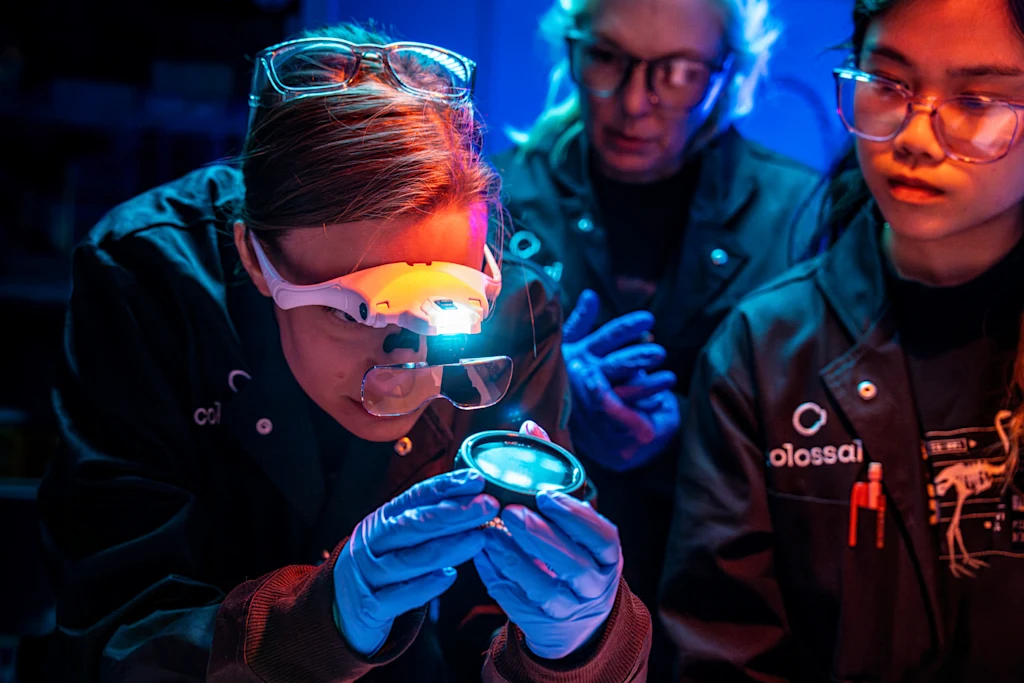
For birds that are currently endangered, conservation organizations could use it to breed birds that are difficult to breed in captivity, and that don’t have readily available surrogates to raise eggs. Scientists could genetically modify other birds to produce the endangered species, which could be raised inside artificial eggs tailored to the right size for each bird.
Of course, it doesn’t solve the bigger problem: if species are going extinct because forests are plowed down for farming or development, or because climate change is fundamentally reshaping ecosystems like the Amazon, raising more birds won’t mean that they can survive in the wild. Global governments need to deal with those issues, Lamm says, “but I think that giving some of these countries and some of these different NGO partners the ability to have the animals both in sanctuaries and in captive breeding locations is a solid start.”

