




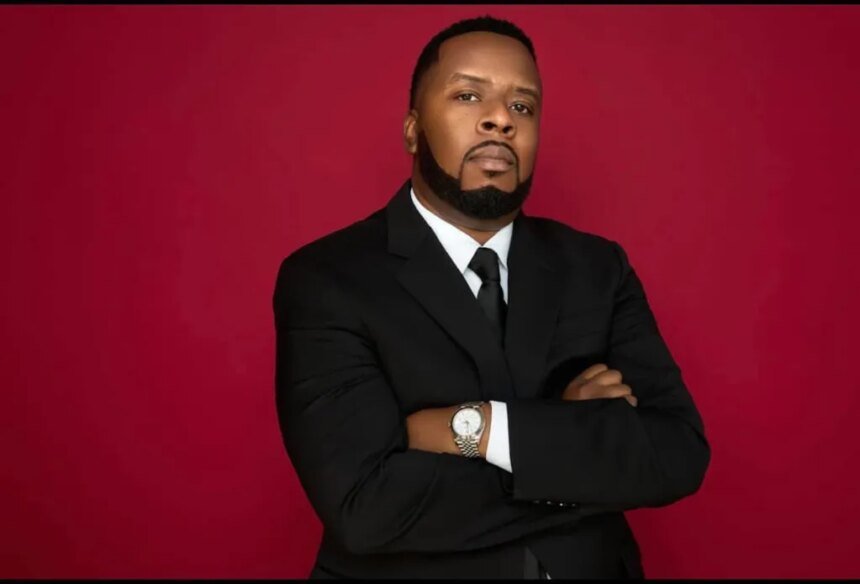

While most kids have their faces buried in video games at age nine, Early Walker was founding companies. He never grew out of that entrepreneurial mindset, and since then, the Chicagoan built a towing company into a full-blown enterprise, walking away with a private equity exit that made him a self-made millionaire. Now he’s handing out his playbook — and capital — through his initiative, No Business Left Behind, to help others find extraordinary success.
Here, he breaks down his incredible career and why he feels it is important to give back.
Give us the elevator pitch of No Business Left Behind.
No Business Left Behind provides direct mentorship, capital access, and operational support to small business owners in underserved communities. Our mission is to help struggling small businesses survive and grow to become the cornerstone of their communities.
We identify businesses with potential, work with them to improve their operations, marketing, finances and leadership, and document their progression story for other entrepreneurs to learn from. By building up small businesses, we directly strengthen local communities as well.
What inspired you to create it?
It came from my own journey as a small business owner. I’ve personally experienced the financial instability and stress that comes with owning a business and being unsure if it’s going to survive. I grew my company from trying to figure out how to make payroll to one of the largest towing companies in the state before eventually selling it.
In many ways, I now feel it’s my responsibility to help someone else experience that same opportunity. There are thousands of good business owners who don’t need a handout — they need someone to believe in them and guide them to open their own doors. That’s why No Business Left Behind exists.
Have you always been entrepreneurial-minded? What was your first business?
Yes, from a young age I was always working to find another way. I watched my parents work hard, which I respected, but I felt the need to create something bigger than a paycheck-to-paycheck lifestyle. I realized the key to more financial opportunity is creating solutions for a problem. If I could solve people’s problems better than anyone else, the money would eventually follow.
My first major business was my towing company, which I started in 2013 with one truck. It does take an entrepreneurial mind to grow and scale the way W&W Towing did in its first few years. By my second year, the company was generating nearly $300,000 annually.
I founded the business on this “$40 Holla” strategy: offer a quality service, keep pricing affordable and reasonable, and focus on volume rather than maximizing profit on each transaction. By charging a fair price, customers were willing to wait because they knew they were getting value. Eventually, I had an extensive waitlist, which led to my expansion.
Being able to listen and understand the market and show up for core customers in ways other businesses didn’t is why this company is so successful. I did not build the business by being the most expensive — I built it by being the most accessible, consistent, and customer-focused.
Many entrepreneurs dream of building and exiting a business. What’s something people don’t understand about success?
Many people underestimate how much consistency plays a part in success. Finding success isn’t one good big decision that changes everything overnight, but an accumulation of doing the little things right over and over again. My biggest advice is to remember the little habits you do to feed your business have a long-term impact — like making one more sales visit, one more phone call, learning one more skill. Be willing to keep going long after the excitement of a business win wears off. Discipline and consistency will beat out talent every time.
What do you see as the biggest issues for scaling small businesses today?
I see three major challenges: Many business owners become the business itself instead of building a business. If the owner can’t leave for a week without everything falling apart, they don’t own a business — they own a job. Marketing — the best product means nothing if nobody knows it exists. And cash flow — most businesses don’t fail because they’re bad businesses. They fail because they run out of money before reaching their full potential.
Do you have any advice for overcoming those issues?
Invest in knowledge before you invest in growth. Entrepreneurs need to know their numbers — market data, competitor performance — before launching, let alone scaling.
Also, build systems. A strong business has an infrastructure that feeds into itself while it’s running. Invest in a staffing bench, top to bottom, with people who know more about certain things than you do. And remember to delegate. Entrepreneurs have to get rid of the mindset of trying to do everything themselves — it won’t work. Delegation isn’t weakness but rather one of the greatest signs of leadership.
Tell us about the 10-city tour.
The 10-city tour is about bringing real business education directly into communities in need across the U.S. We’re providing critical resources entrepreneurs need to keep their businesses alive: leadership counseling, branding, marketing, financial literacy, and more.
What can attendees expect, and where can people find out where you’re coming next?
Beneficiaries can expect custom, practical strategies they can implement immediately in their business. Whether you’re just starting or trying to scale, you’ll leave with tools you can actually use. The best place to stay connected is through my social media platforms, @MrEarlyWalker. We’ll announce every city, every event, and every opportunity there.
While most kids have their faces buried in video games at age nine, Early Walker was founding companies. He never grew out of that entrepreneurial mindset, and since then, the Chicagoan built a towing company into a full-blown enterprise, walking away with a private equity exit that made him a self-made millionaire. Now he’s handing out his playbook — and capital — through his initiative, No Business Left Behind, to help others find extraordinary success.
Here, he breaks down his incredible career and why he feels it is important to give back.
Give us the elevator pitch of No Business Left Behind.
No Business Left Behind provides direct mentorship, capital access, and operational support to small business owners in underserved communities. Our mission is to help struggling small businesses survive and grow to become the cornerstone of their communities.

